
Transaction Networks Align with Tiered Access Across Reel and Sports Betting Platforms
Transaction networks in hybrid gaming environments now link slot reel operations directly with sports betting pitch activities through coordinated payment channels, and operators apply tiered access protocols to manage user permissions across both segments. These systems emerged as platforms expanded from standalone casino products into integrated offerings that combine digital reels with live event wagering, which requires precise synchronization to handle deposits, withdrawals, and bonus allocations in real time. Data from industry reports shows that such networks process thousands of concurrent transactions daily while maintaining separate access levels for standard, premium, and elite users.
Core Components of Network Synchronization
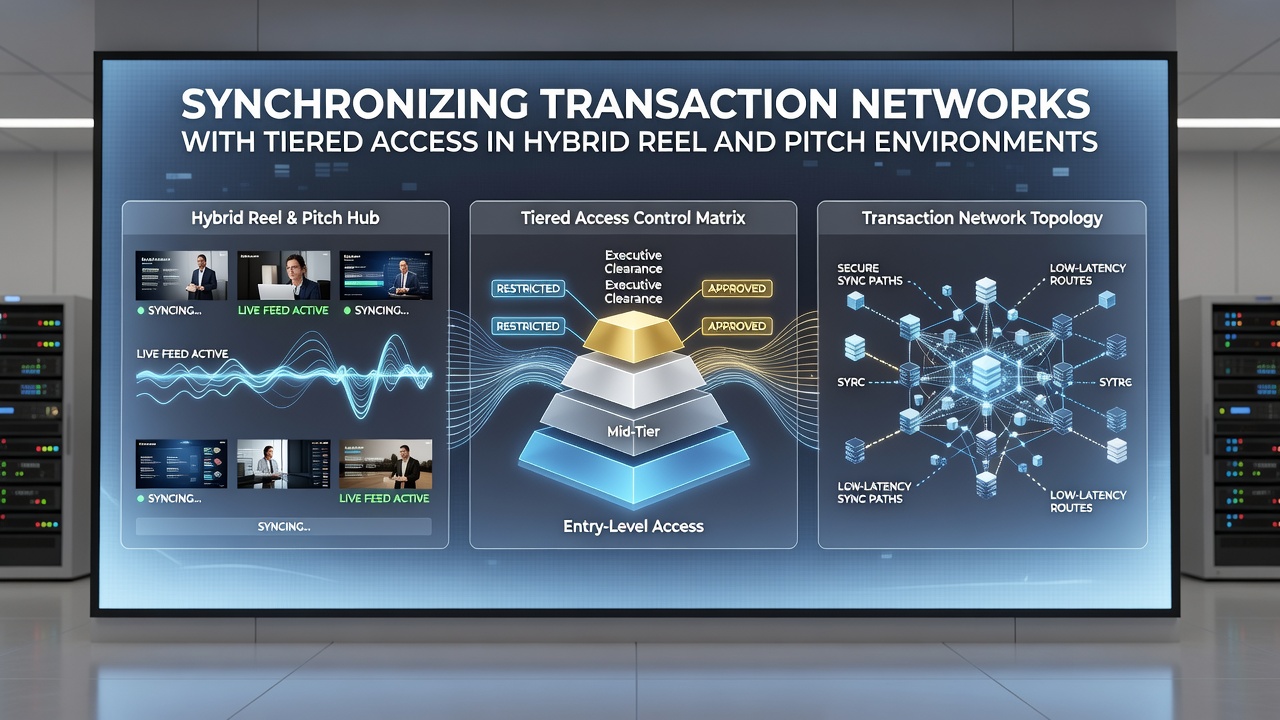
Operators build synchronization around centralized ledgers that record activity from reel spins and pitch wagers simultaneously, and this approach reduces latency between deposit confirmation on one side and bonus eligibility on the other. Application programming interfaces connect payment gateways to both slot servers and sportsbook engines, which allows funds moved in one environment to update balances across the entire platform without manual intervention. Research from the University of Nevada Reno indicates that synchronized ledgers cut processing errors by 34 percent in multi-product gambling setups during 2025 trials.
Tiered access adds another layer by assigning different transaction limits and verification speeds based on user status, while standard users encounter daily caps on transfers and elite tiers receive instant processing plus priority routing during peak hours. The model draws from established practices in financial services yet adapts them to gambling rules that demand strict segregation of funds and activity logs.
Implementation Patterns in Hybrid Environments
Platforms that combine reel and pitch products typically route all incoming transactions through a single verification node before distributing them to the appropriate game servers, and this central point checks user tier status against stored profiles to apply correct limits. In June 2026 several operators rolled out enhanced matching algorithms that pair reel-based promotions with pitch-side incentives automatically when a user crosses a defined activity threshold. Those algorithms pull data from both transaction histories and game outcomes to trigger cross-product rewards without separate user requests.
Case examples include North American operators who integrated real-time feeds from live sports data providers with slot accounting systems, which enabled automatic crediting of winnings from pitch bets into reel play sessions within the same account tier. Similar setups appear in Australian markets where state regulators require detailed audit trails for any transaction that moves between gaming verticals, and operators meet those requirements through timestamped ledger entries that sync across both environments every few seconds.
Regulatory and Technical Considerations
European regulators outside the United Kingdom have examined these synchronized networks for compliance with anti-money laundering directives, and the European Gaming and Betting Association published guidelines in early 2026 that recommend separate logging for each product type even when transactions share a common pipeline. Those guidelines emphasize that tiered access must not obscure the origin or destination of funds, which pushes developers to maintain parallel audit streams that merge only at the final reporting stage.
Technical teams address latency through edge computing nodes placed near major data centers, and these nodes handle initial tier validation before forwarding approved transactions to central servers. Observers note that this distributed approach keeps average confirmation times under two seconds even when thousands of users move between reel and pitch activities during major sporting events. Studies from the Canadian Centre for Gaming Research highlight that platforms using edge validation reported 22 percent fewer user complaints about delayed bonus releases compared with centralized-only models.
Future Directions and Industry Adoption
Adoption continues as more operators acquire both slot and sportsbook licenses in single jurisdictions, which creates demand for unified transaction layers that respect product-specific rules while delivering seamless user experiences. Industry associations track these developments through annual surveys that record the percentage of hybrid platforms employing full synchronization, and the latest figures reveal steady growth across multiple continents. Developers experiment with blockchain elements for immutable tier records, yet most current deployments rely on conventional databases with enhanced encryption to meet existing audit standards.
Conclusion
Synchronized transaction networks paired with tiered access now form a standard feature in hybrid reel and pitch environments, and the approach supports efficient fund movement while meeting varied regulatory demands across regions. Continued refinement of matching algorithms and validation nodes will likely shape how operators manage cross-product activity in the years ahead, with data from multiple sources confirming measurable gains in processing speed and error reduction where these systems operate.