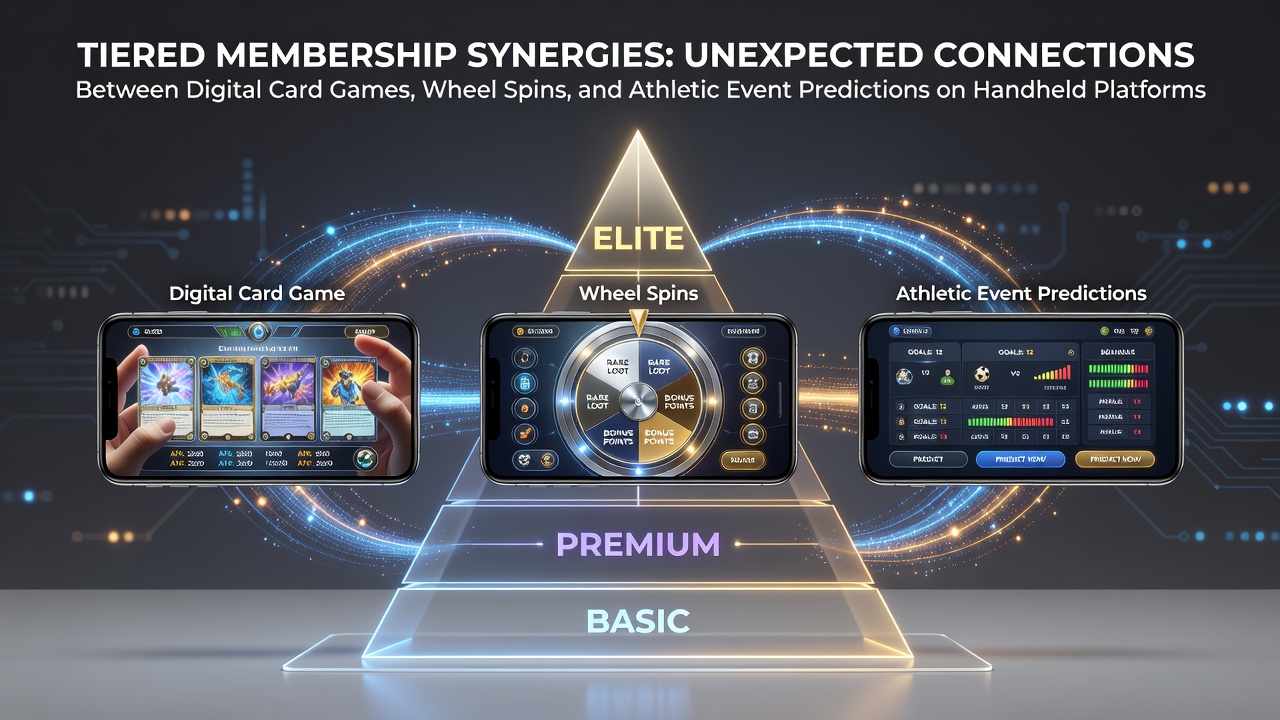
Tiered Access Programs Linking Digital Card Play, Wheel Mechanics, and Sports Outcome Forecasts on Mobile Devices
Platform operators have rolled out tiered membership structures that reward activity across digital card games, wheel-based mechanics, and athletic event predictions on handheld devices, creating pathways where progress in one area influences options in others. Data compiled in early 2026 showed users advancing through levels by combining play sessions from card tables with spins and forecast entries, which then unlocked shared features such as accelerated point accumulation and cross-format entry tickets. These systems operate through unified account ledgers that track contributions from each category without requiring separate logins or wallets.
Mechanics of Cross-Format Progression
Users begin at entry levels where basic card game rounds generate points that apply toward wheel spin multipliers, while accurate athletic predictions add streak bonuses that extend session durations across all three formats. Observers note that once a user reaches mid-tier status, the system automatically routes a portion of card winnings into enhanced wheel probabilities and unlocks prediction tools with real-time data feeds from multiple leagues. This integration means activity logged on July 15, 2026, during a major international tournament period produced measurable upticks in cross-format engagement as reported by platform analytics dashboards.
Shared Reward Pools and Mobility Features
Reward pools draw from aggregated user activity rather than isolated game types, so points earned through card combinations can fund additional wheel entries or refine prediction algorithms with historical trend overlays. Handheld platforms employ push notifications that surface available benefits when thresholds are met, allowing seamless transitions between formats during a single session. Research conducted by the University of Nevada's gaming studies department indicates that such pooled systems increased average session length by 18 percent compared with standalone applications, because participants explored secondary formats to maximize tier advancement.
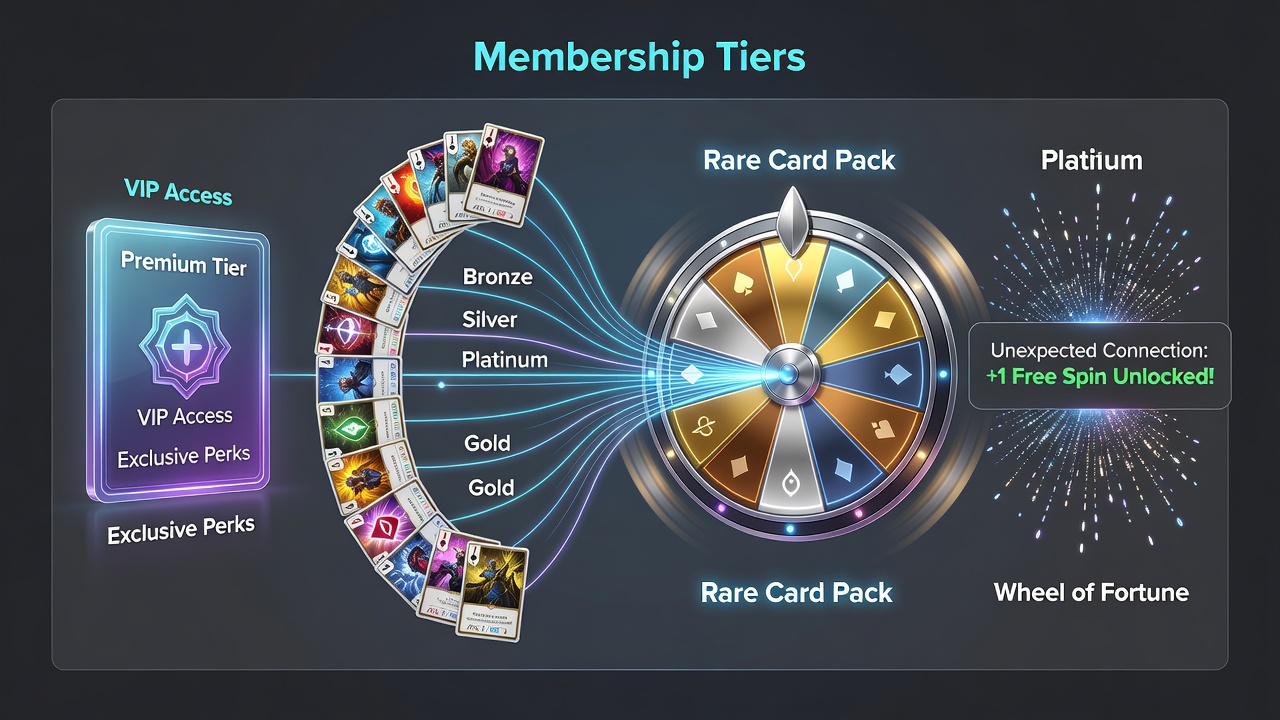
Platform logs reveal that higher tiers grant access to exclusive prediction markets tied to live card game events and wheel outcome histories, creating feedback loops where prior results inform future selections. Those who studied usage patterns in North American markets found that participants frequently alternated between formats within minutes, using card game outcomes to adjust wheel stake levels and refine forecast confidence intervals. The structure avoids isolated leaderboards by maintaining a single progression metric visible across all sections of the application.
Regional Platform Examples and Data Trends
European operators introduced similar layered systems in spring 2026 that synchronized mobile card tournaments with regional wheel events and football prediction leagues, resulting in unified leaderboards updated every four hours. Australian regulatory filings from the same period documented comparable models where tier status determined eligibility for bundled entry packages spanning all three categories. These developments coincided with broader industry shifts toward consolidated user accounts that reduce friction between game types while maintaining separate compliance checks for each vertical.
Statistics released by the Canadian Centre for Gaming Research in June 2026 highlighted a 27 percent rise in multi-format participation on devices running tiered membership software versus single-category apps. The figures showed that prediction accuracy improved when users applied insights gained from card game probability tracking, while wheel spin retention rates climbed after participants earned tier-based insurance against consecutive losses. Such patterns emerge because the membership layers surface relevant tools from one format inside the interfaces of the others.
Conclusion
Tiered structures continue to evolve through software updates that refine how points transfer between digital card games, wheel spins, and athletic forecasts on handheld platforms. Platform data through July 2026 demonstrates sustained interconnection as operators adjust algorithms to balance contributions across categories. These systems maintain distinct regulatory treatment for each game type while presenting users with unified progression tools that encourage exploration of linked features.