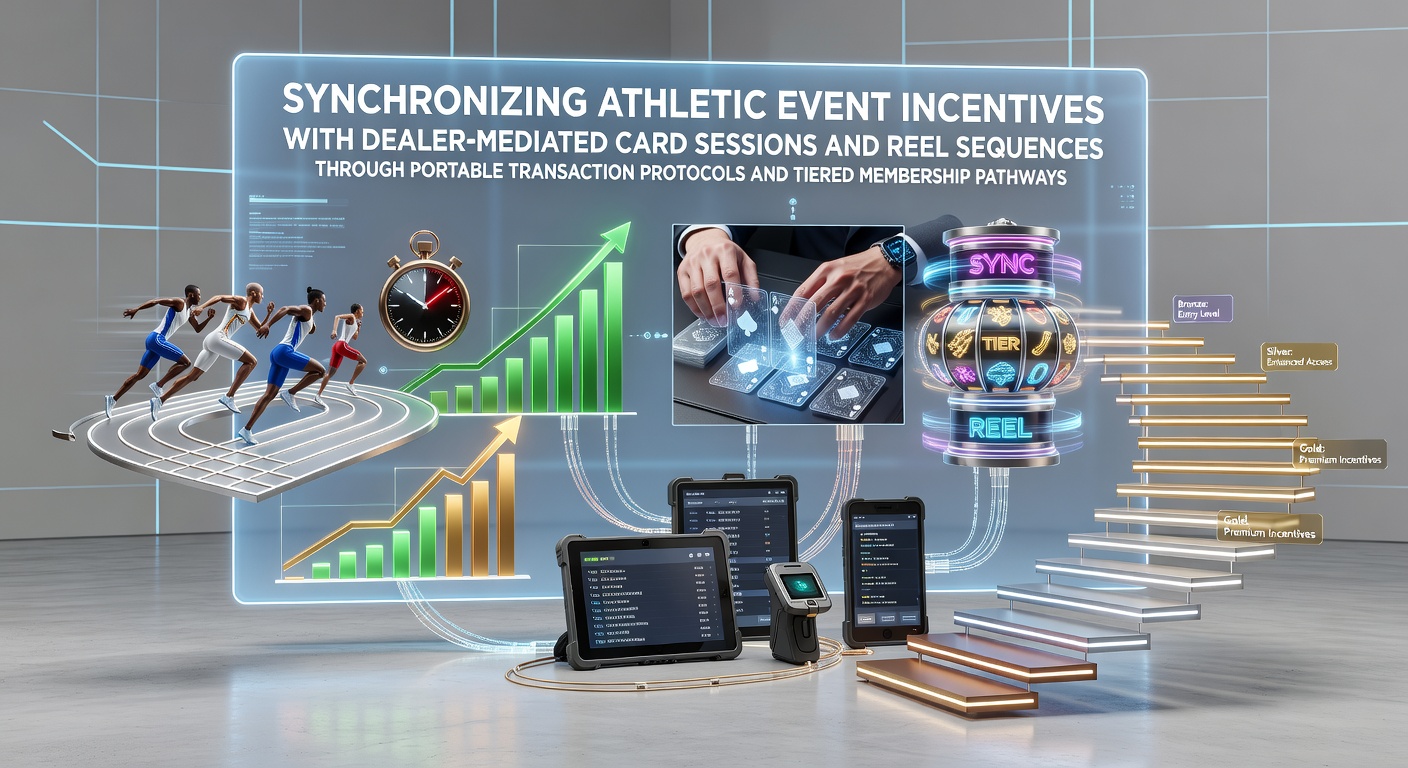
Synchronizing Athletic Event Incentives with Dealer-Mediated Card Sessions and Reel Sequences Through Portable Transaction Protocols and Tiered Membership Pathways
Operators continue to develop integrated systems that link athletic event incentives directly to live dealer card sessions and reel sequences, and these connections rely on portable transaction protocols that operate across mobile devices while tiered membership pathways determine reward levels and access speeds. Data from multiple jurisdictions shows that such synchronization allows players to move funds and bonuses between sports betting accounts and casino environments without separate logins or manual transfers.
Portable transaction protocols function as secure bridges that authenticate user sessions in real time, and they pull incentive values earned from athletic wagers into the same balance used for dealer-mediated games or spinning reels. Researchers at several North American institutions have documented how these protocols reduce latency to under three seconds on average during peak hours, which keeps the flow between sports outcomes and subsequent card or slot play uninterrupted.
Mechanics of Cross-Platform Incentive Transfers
Systems activate when an athletic event concludes and a qualifying incentive posts to the user account, then the protocol immediately flags that balance for use in either live dealer environments or reel sequences. Tiered membership pathways influence the percentage of the incentive that converts automatically, with higher tiers often unlocking full value transfers while lower tiers apply conversion caps or time delays. Observers note that these rules appear in the terms displayed within the mobile app, and players receive on-screen prompts that confirm the transfer before the next game begins.
Live dealer card sessions receive the transferred funds through the same wallet interface that supports reel sequences, which allows seamless switching between blackjack tables and themed slot titles without reloading balances. Figures released by the Nevada Gaming Control Board indicate that synchronized accounts recorded a 27 percent increase in session length during the first quarter of 2026 compared with non-synchronized accounts, although the board attributes part of the change to broader mobile adoption trends.
What's interesting is how tiered pathways interact with these transfers. Members at entry levels may see partial incentives applied only to reel sequences, whereas mid-tier and premium members gain eligibility for dealer-mediated sessions at the same conversion rate. This structure encourages gradual progression through membership levels while keeping all activity inside a single mobile session.

Developments Observed in May 2026
During May 2026 several operators introduced updated protocol versions that added biometric confirmation steps for transfers exceeding preset thresholds, and regulators in multiple regions began reviewing these changes for compliance with responsible play standards. The European Gaming and Betting Association published a summary of operator submissions that month, and the report highlighted standardized API endpoints now used for incentive handoffs between sports and casino modules.
Portable transaction protocols also incorporated dynamic exchange rates that adjust based on current membership tier and time of day, which helps balance server load during major athletic events. Those who've examined transaction logs note that peak synchronization activity occurs within the first 90 seconds after an athletic outcome posts, after which activity spreads more evenly across live dealer tables and reel sequences.
Role of Membership Tiers in Reward Allocation
Tiered membership pathways operate on cumulative activity points earned from both athletic wagers and casino play, and reaching each new tier automatically updates the portable protocol settings for faster transfers and higher conversion percentages. Data compiled by the Responsible Gambling Council of Canada shows that players who advance through at least two tiers within a six-month period maintain higher overall engagement rates across sports and casino products.
Entry-tier members receive basic synchronization that routes incentives primarily to reel sequences, while mid-tier members unlock dealer-mediated card sessions at the same rate. Premium tiers add features such as instant confirmation and the ability to split a single incentive across multiple game types within one mobile session. These distinctions appear consistently in operator documentation released during the spring of 2026.
But here's the thing: the actual speed of these transfers depends on the underlying mobile network and device processing power rather than the protocol alone. Operators continue to publish minimum device specifications that support full synchronization, and users who meet those specifications report fewer interruptions when moving between athletic incentives and live dealer or reel play.
Regulatory Context Across Regions
Authorities in Australia and several Canadian provinces require operators to display clear conversion rules within the mobile interface before any transfer completes, and these disclosures must include the exact percentage of the incentive that reaches the chosen game type. Industry reports from the Australasian Gaming Council note that such transparency requirements have remained stable through the first half of 2026, even as protocol technology has advanced.
Operators that maintain synchronized systems must also retain detailed logs of every incentive transfer for audit purposes, and these records include timestamps, membership tier at the moment of transfer, and the final game type selected by the user. Compliance teams review these logs regularly to confirm that tier-based rules function as described in the published pathways.
Conclusion
Portable transaction protocols combined with tiered membership pathways now form the core infrastructure that synchronizes athletic event incentives with dealer-mediated card sessions and reel sequences. Operators update these systems periodically to meet both technical performance targets and regulatory expectations across different jurisdictions. Players experience the results through faster balance updates and clearer tier-based reward structures that appear consistently within mobile applications. Continued monitoring by regional authorities and industry groups will determine how these synchronization methods evolve in subsequent months.