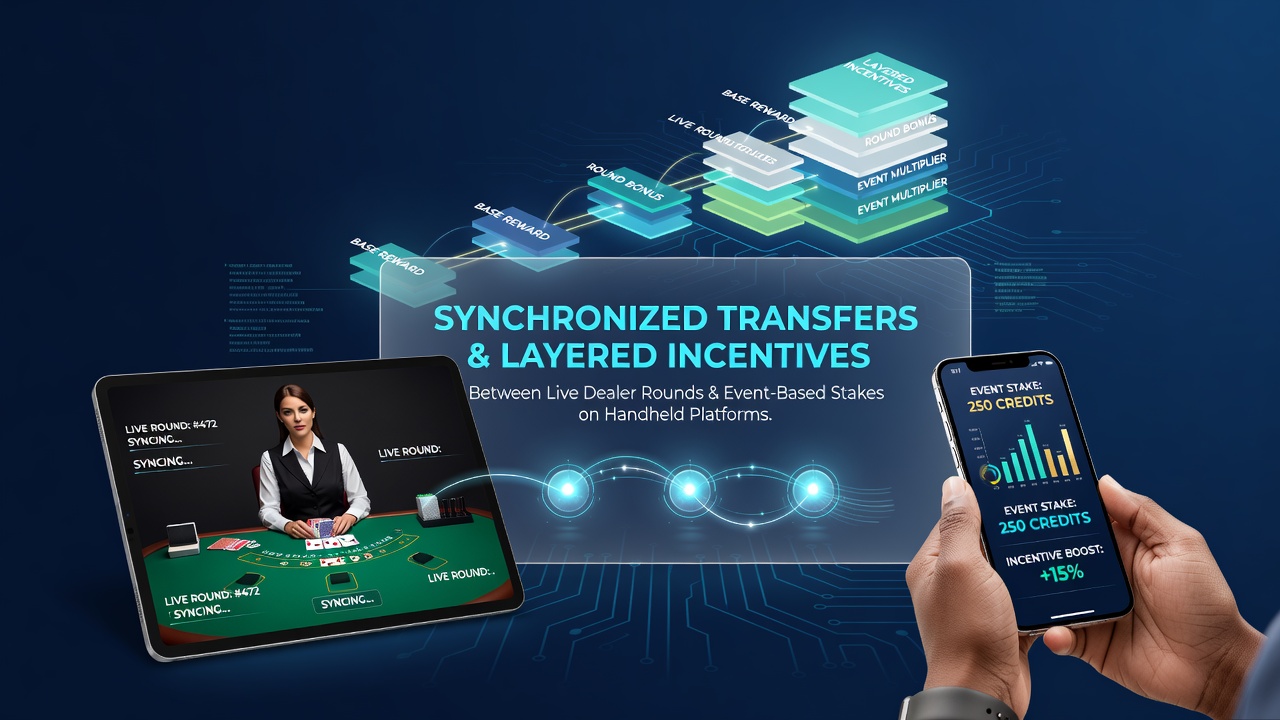
Sync Transfers Strengthen Incentive Chains in Live Dealer and Event Stakes on Handhelds
Handheld platforms have integrated synchronized transfer systems that move player balances and layered incentives directly between live dealer rounds and event-based stakes without separate withdrawal steps, and data from industry reports shows these features became more widespread after platform updates rolled out in June 2026. Observers note that the technology connects real-time game sessions with scheduled events such as sports matches or tournament outcomes, allowing rewards earned at one table to fund wagers at another while preserving bonus multipliers and tier progress.
Mechanics Behind the Transfers
Developers built APIs that track player activity across multiple game types, and when a user completes a live dealer round the system records any accumulated incentives then pushes the updated balance to the event betting module within seconds. Research from the UNLV International Gaming Institute indicates that seamless transfers reduce session interruptions by up to 40 percent compared with earlier manual processes, while maintaining audit trails required by licensing bodies in multiple jurisdictions.
Layered incentives function through progressive multipliers that apply across both dealer tables and event wagers, so a bonus earned during blackjack carries forward when the player switches to an in-play soccer market. Those who have studied the systems report that the architecture prevents double-dipping by locking each reward layer to a single transfer event, and the process resets only after the linked event concludes.
Platform Implementation Patterns
Major handheld providers adopted these features at different rates, with some releasing updates in early 2026 that linked live roulette sessions to basketball and tennis events, whereas others focused on card game tables feeding into esports markets. Figures from the Australian Gambling Research Centre reveal that platforms using synchronized transfers recorded higher average session lengths during the first half of 2026, particularly among users who alternated between dealer games and event stakes within the same login period.
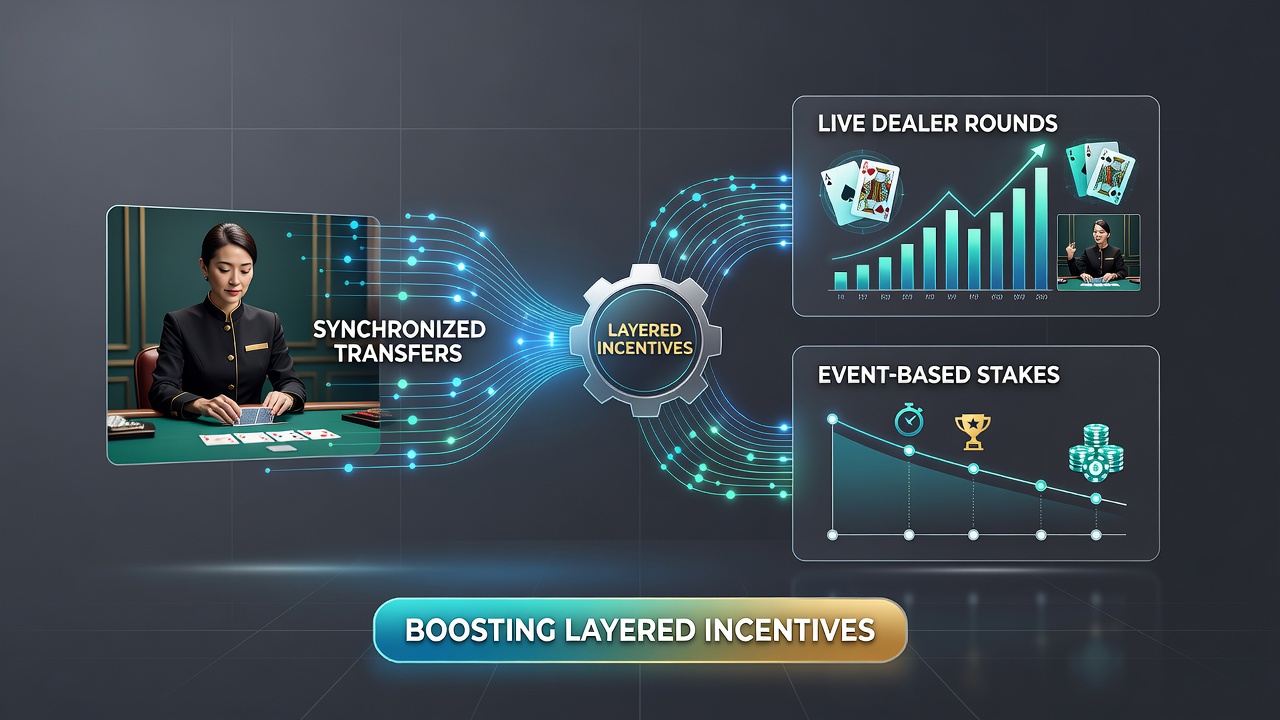
Security protocols require two-factor confirmation for each transfer above a set threshold, and operators log every movement through centralized ledgers that regulatory auditors can review. One study revealed that the added verification steps add less than three seconds to the average transaction when users enable biometric options on their devices.
Impact on Player Behavior and Reward Structures
Analysts tracking usage patterns found that players who utilized synchronized transfers placed more cross-category wagers per session, moving from live dealer tables to event-based markets and back again without leaving the application. The Gambling Research Exchange Ontario documented similar trends in Canadian markets where operators introduced comparable systems, noting increased engagement with tiered loyalty programs that reward consecutive activity across both game types.
Event-based stakes often carry time-sensitive odds that change rapidly, and the ability to transfer funds instantly allows users to capitalize on shifting lines while retaining progress toward live dealer bonuses. Data shows that platforms offering these linked incentives saw measurable growth in multi-game participation during peak evening hours throughout June 2026.
Regulatory and Technical Considerations
Licensing authorities in several regions require operators to demonstrate that synchronized transfers do not circumvent responsible gambling tools such as deposit limits or session timers, and compliance teams have adjusted their monitoring dashboards accordingly. Industry organizations including the European Gaming and Betting Association have published guidelines that address how layered incentives should display remaining wagering requirements when balances move between modules.
Technical teams continue to refine latency issues that arise during high-traffic periods, particularly when multiple live dealer tables and concurrent events generate simultaneous transfer requests. Those who've examined the logs note that most delays stem from network conditions rather than the transfer logic itself, and updates scheduled for later in 2026 aim to address these bottlenecks through edge computing resources.
Conclusion
Synchronized transfers on handheld platforms continue to connect live dealer activity with event-based stakes through shared incentive layers, and operators have adjusted their systems to meet both technical and regulatory demands. The approach has produced measurable shifts in how users move between game categories while preserving the integrity of bonus structures and audit requirements.