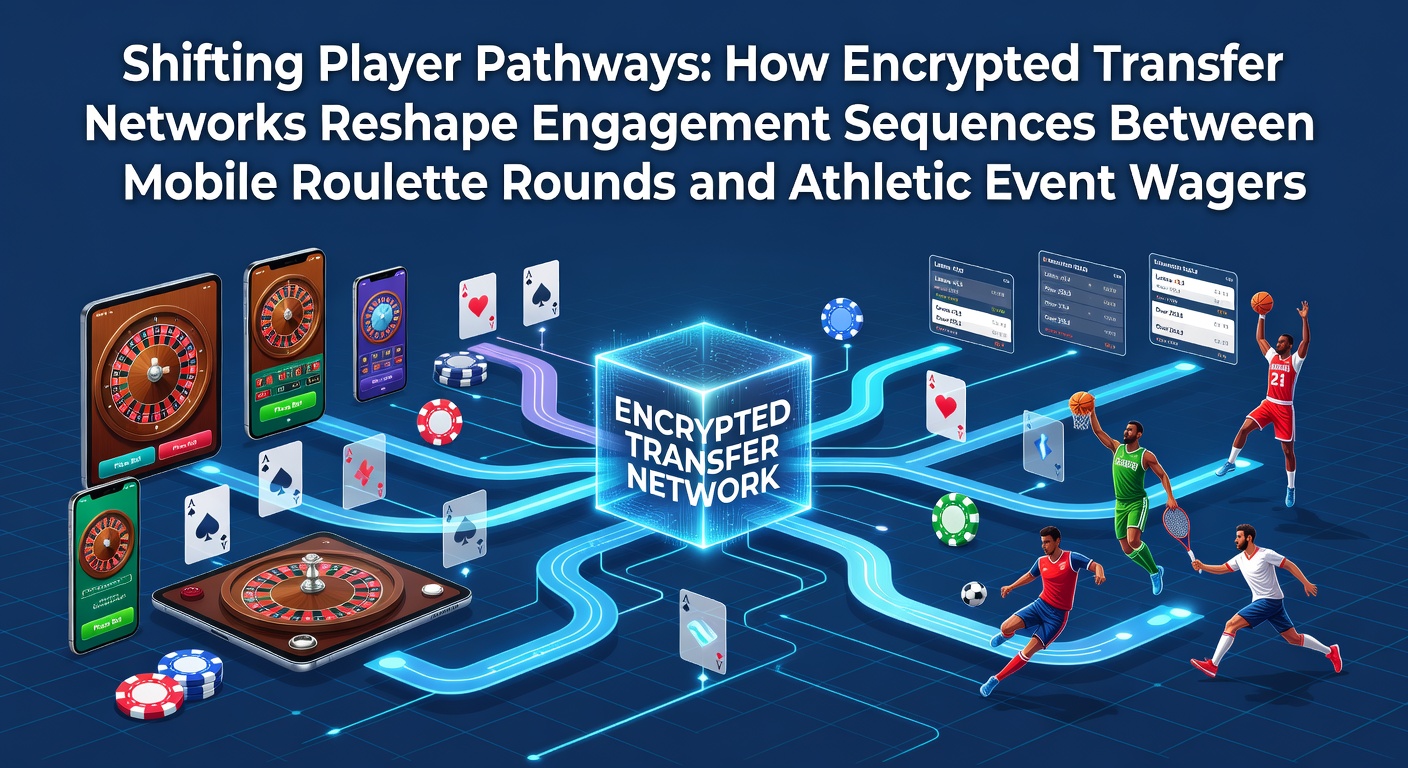
Shifting Player Pathways: How Encrypted Transfer Networks Reshape Engagement Sequences Between Mobile Roulette Rounds and Athletic Event Wagers
Encrypted transfer networks now enable players to move funds instantly and securely between mobile roulette sessions and athletic event wagers, creating new sequences of engagement that blend quick spin cycles with longer betting windows. These systems rely on end-to-end encryption protocols that protect transaction data while reducing processing times to under three seconds, according to industry reports published in early 2026. Operators have integrated these networks into single-app environments so that a player finishing a roulette round can redirect winnings directly into an upcoming soccer or basketball market without exiting the platform or re-entering banking details.
Mechanics Behind the Networks
Developers build these pathways on layered security architectures that combine blockchain-based ledgers with traditional banking APIs, allowing real-time verification across game types. A roulette win registers on the encrypted ledger, triggers an automated compliance check, and releases funds into the sports wallet within the same session. Research from the University of Nevada’s gaming technology laboratory shows that such handoffs cut average transition time by 78 percent compared with legacy withdrawal-and-redeposit methods. The same study notes that encryption standards meet or exceed those required by the Nevada Gaming Control Board for cross-product transfers.
Observed Changes in Player Sequences
Data collected between January and May 2026 reveals distinct patterns. Players who use encrypted pathways complete an average of 4.2 roulette rounds before shifting to a sports wager, whereas those relying on conventional payments average only 2.1 rounds before pausing. Engagement logs indicate that once funds arrive in the sports section, session duration extends by roughly 14 minutes on average, driven by live in-play markets that open during ongoing athletic events. Observers note that these extended sequences appear most frequently on weekday evenings when major European football fixtures overlap with peak mobile gaming hours.
Regulatory and Technical Context in 2026
Multiple jurisdictions updated technical standards during spring 2026 to accommodate encrypted transfers. The Malta Gaming Authority issued revised guidelines in April that require operators to log every encrypted handoff for audit purposes while preserving player anonymity in routine reporting. Similar updates from regulators in New Jersey and Ontario emphasize that encryption keys must rotate every 24 hours and that independent penetration testing occur quarterly. These measures have allowed licensed platforms to expand product crossovers without triggering additional licensing reviews.
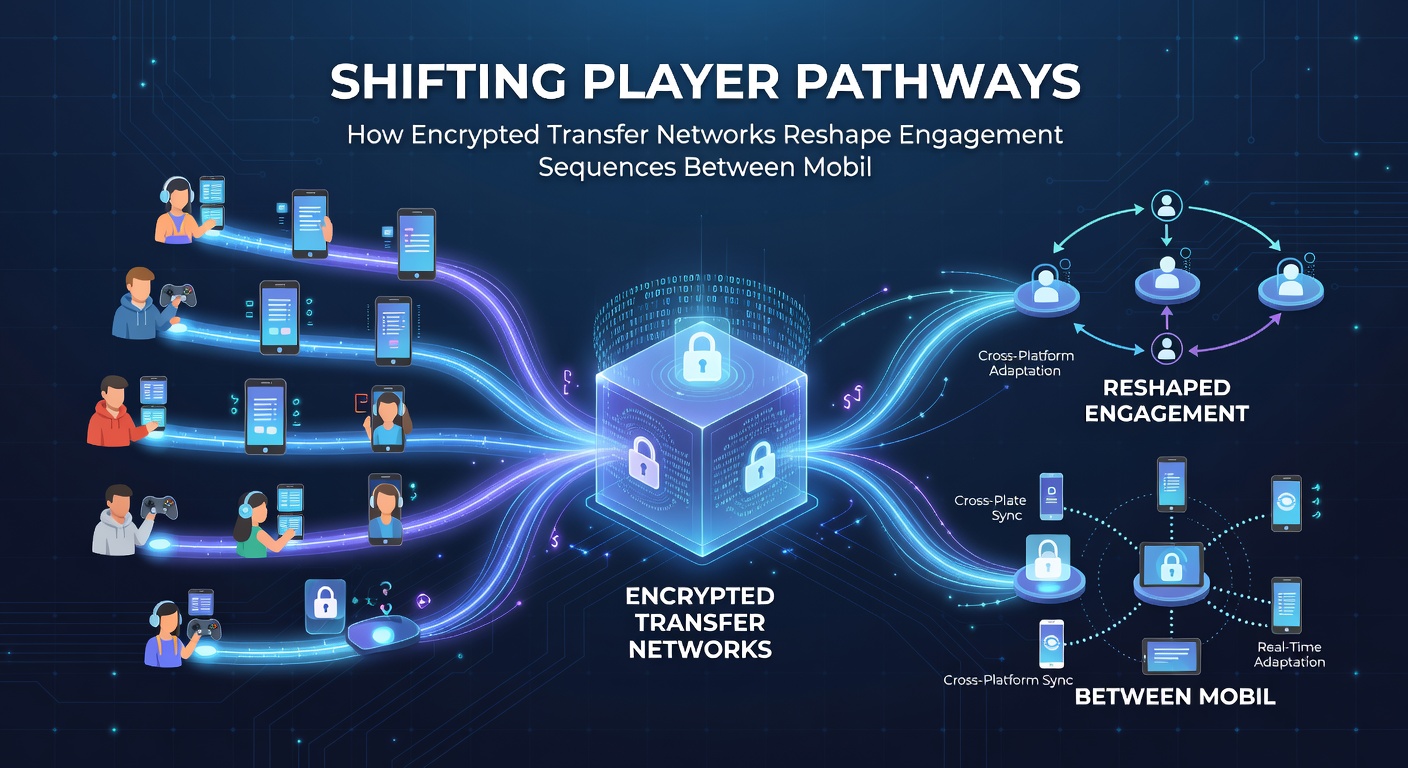
Industry analysts tracking adoption rates report that 63 percent of major mobile operators had deployed at least one encrypted transfer corridor by May 2026. The remaining platforms cite integration costs and legacy system compatibility as primary barriers. A white paper released by the European Gaming and Betting Association in March 2026 projects that full market penetration could reach 85 percent by the end of 2027 once standardized APIs become available.
Impact on Specific Game Pairings
Roulette-to-sports sequences show the strongest growth in markets tied to high-frequency events such as tennis and basketball. Players often place a small roulette stake while waiting for a live sports line to move, then transfer winnings if the roulette outcome favors them. This micro-timing behavior appears in heat-map visualizations released by several platform providers, where activity spikes occur two to four minutes before tip-off or serve. In contrast, sports-to-roulette shifts occur more evenly throughout the day and tend to involve smaller amounts, suggesting players use them as brief interludes rather than primary engagement drivers.
Security and Compliance Outcomes
Encrypted networks have reduced reported fraud incidents involving account takeovers during cross-game transfers. The Canadian Centre for Cyber Security documented a 41 percent drop in such cases among participating operators between late 2025 and May 2026. Compliance teams attribute the improvement to immutable transaction trails that allow rapid reversal of suspicious movements without freezing entire accounts. Players receive real-time notifications when a transfer completes, including a unique transaction hash that can be reviewed later if disputes arise.
Conclusion
Encrypted transfer networks continue to redefine how players structure their time between mobile roulette and athletic event wagers. By compressing transaction friction and maintaining rigorous security standards, these systems support longer, more fluid engagement sequences while satisfying evolving regulatory requirements across multiple regions. As adoption widens through the remainder of 2026, the pathways established today will likely form the baseline for future multi-product gaming environments.