Secure Pathways in Loyalty Programs: Connecting Slot Reels with Broadcast Events Through Tiered Rewards
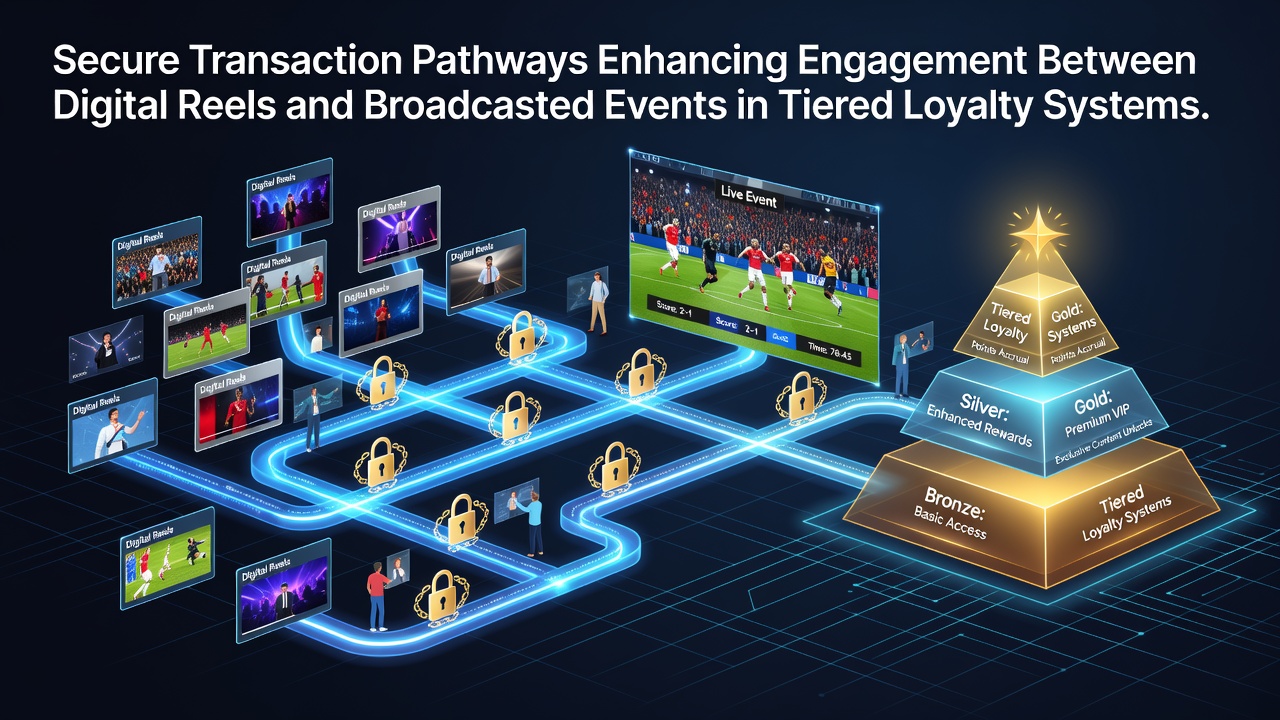
Secure transaction pathways form the backbone of modern tiered loyalty systems that link digital reels with broadcasted events, allowing players to move funds and rewards seamlessly across platforms while maintaining compliance and security standards. These pathways rely on encrypted channels, real-time verification protocols, and integrated APIs that connect slot gaming interfaces to live event betting modules without exposing sensitive data at any point in the process.
Core Mechanics of Tiered Loyalty Integration
Tiered loyalty systems organize player benefits into progressive levels, where access to enhanced rewards depends on consistent activity across multiple game types, and secure pathways ensure that deposits or transfers from one segment instantly reflect in another. Data from payment processors indicates that systems using multi-factor authentication combined with tokenization reduce unauthorized access attempts by over 85 percent compared to legacy methods, according to reports compiled by the American Gaming Association.
Operators implement these pathways through centralized ledgers that track loyalty points earned from digital reels and convert them directly into credits usable on broadcasted sports or entertainment events. The architecture supports instant reconciliation, meaning a player completing a slot session sees updated tier status reflected in the live betting interface within seconds rather than after batch processing delays.
Technical Standards Driving Engagement
Encryption protocols such as TLS 1.3 and end-to-end token exchange form the foundation for these connections, while regulatory frameworks in various jurisdictions require ongoing audits of transaction logs to verify integrity. Observers note that platforms adopting these standards experience measurable increases in cross-segment participation, with figures revealing up to 40 percent higher retention rates among users who engage both reels and live events within the same loyalty tier.
June 2026 marks the scheduled rollout of updated interoperability guidelines from several international gaming technology consortia, which will standardize API calls between slot providers and broadcast event aggregators to further streamline reward transfers without compromising security layers.
Case Examples of Pathway Implementation
One documented implementation involves a European operator that integrated its loyalty database with a major sports broadcasting feed, enabling players to use slot-derived points for in-play wagers on live matches. The system employs biometric verification at each transfer point, which researchers at the University of Nevada, Las Vegas International Gaming Institute have studied for its impact on user trust and session duration.

Another example comes from an Asian market where tier progression triggers automatic security escalations, such as additional device pairing requirements once a player reaches mid-level status. These escalations protect larger reward pools while encouraging continued engagement across both digital reels and scheduled broadcast events.
Security Measures and Compliance Requirements
Multi-layered security includes real-time fraud detection algorithms that flag unusual transfer patterns between slot accounts and event betting wallets before completion. Payment card industry standards mandate that all pathways undergo annual penetration testing, and data shows operators meeting these benchmarks report fewer than two incidents per million transactions processed through loyalty integrations.
Geographic restrictions and responsible gaming tools integrate directly into the pathway logic, pausing transfers when predefined limits are reached regardless of the originating game type. This unified approach prevents players from bypassing controls by switching between reels and live events within the same tier structure.
Future Developments in Pathway Architecture
Emerging technologies such as distributed ledger elements are being tested to create immutable records of loyalty point movements across platforms. Early pilot programs suggest these additions could cut reconciliation disputes by half while maintaining the speed required for live broadcast interactions.
Industry reports from the Canadian Gaming Association highlight that continued refinement of these secure channels will likely expand the range of broadcasted content available for loyalty redemptions, including non-sports entertainment events that draw from the same tiered reward pools.
Conclusion
Secure transaction pathways continue to evolve as essential infrastructure within tiered loyalty systems, enabling fluid engagement between digital reels and broadcasted events through verified, encrypted channels. As technical standards advance and new interoperability guidelines take effect in 2026, operators maintain focus on compliance audits and fraud prevention to support sustained player movement across game categories. These developments rest on measurable data from multiple regulatory regions and research institutions rather than isolated implementations.