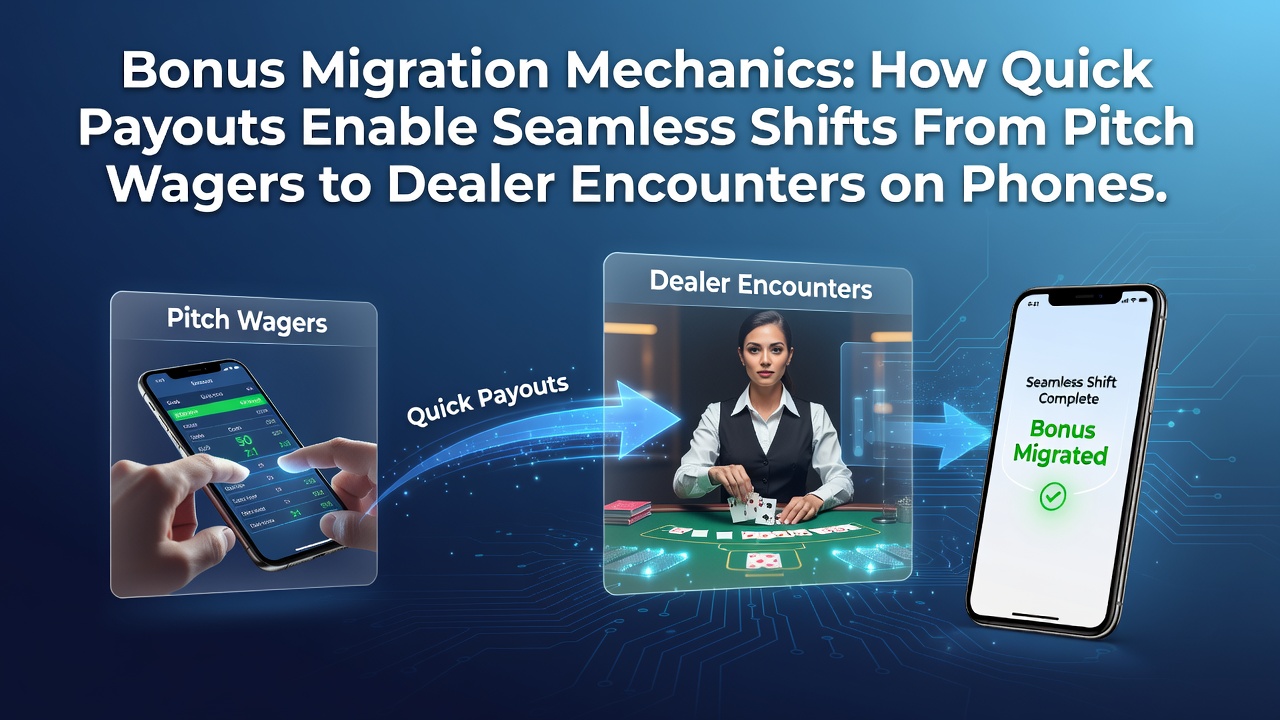
Seamless Transitions: How Swift Payouts Support Bonus Movement from Sports Wagers to Live Dealer Sessions on Smartphones
Payment processing systems now allow players to move funds between different gaming categories with minimal delay, and this capability has become central to how bonuses function across platforms. Operators integrate e-wallet solutions and instant transfer protocols that handle both sports wagers and live dealer interactions on the same mobile application. Data from payment providers shows transaction completion times averaging under thirty seconds for verified accounts, which supports continuous play sessions that shift from pitchside betting to table environments without interruption.
Mechanics Behind Bonus Portability
Bonus structures in mobile casinos often include conditions that permit winnings from one game type to qualify for promotions in another, and quick payout mechanisms make these transitions practical. When a user completes a sports bet, any resulting balance can transfer directly into a live dealer lobby where new bonus triggers activate automatically. Industry reports indicate that platforms employing real-time ledger updates see higher completion rates for multi-category bonus cycles compared to those relying on batch processing.
Systems track eligibility through unified player accounts that update across sportsbooks and casino sections simultaneously. This setup reduces the steps required to claim or convert promotional funds, allowing the balance to remain active as users navigate between interfaces. Observers note that such integration relies on API connections between gaming engines and financial processors, which maintain consistency even during peak traffic periods.
Payment Speed as the Enabling Factor
Traditional withdrawal timelines of twenty-four to seventy-two hours limited the ability to reinvest winnings immediately, yet newer solutions have shortened these windows considerably. E-wallets and certain bank transfer options now deliver funds in minutes when security checks pass, and this acceleration lets players apply sports-derived balances to live dealer tables before promotional windows close. Figures from transaction analytics firms reveal that instant payout features correlate with increased cross-category activity in mobile environments.
Security protocols including two-factor authentication and device fingerprinting operate in the background without extending processing times. These measures satisfy regulatory standards in multiple jurisdictions while preserving the speed necessary for seamless shifts. In July 2026 several platforms reported upgrades to their verification layers that maintained sub-minute completion rates during high-volume events.
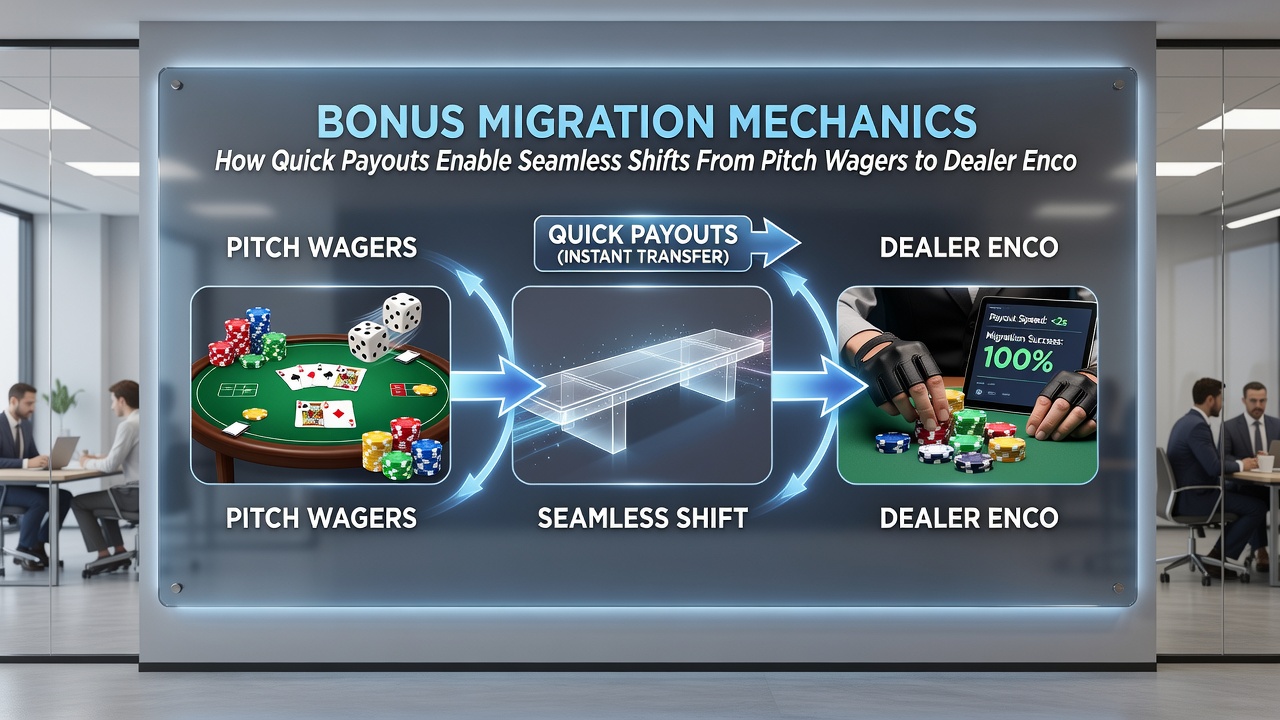
Mobile Interface Design Supporting Fluid Movement
Application layouts place sports and live dealer sections within one navigation structure, and quick payout confirmations appear as persistent notifications that users can act upon directly. This design reduces friction when a player decides to move from a completed football wager to a blackjack table. Touch-optimized menus and gesture controls further streamline the process, allowing account balances to refresh in real time across both modules.
Developers incorporate predictive loading for live dealer streams so that transitions do not require full page reloads. The result is a continuous session where bonus eligibility carries forward automatically once the payout registers in the shared wallet. Research conducted by academic teams at institutions studying digital gaming economies has documented how these interface choices influence player retention across multiple game verticals.
Regulatory Context and Industry Standards
Jurisdictions outside the United Kingdom have introduced guidelines that address the speed of fund movements while maintaining consumer protections. The Nevada Gaming Control Board has published technical standards requiring clear disclosure of processing times for all transfer types, and similar frameworks appear in Canadian provincial regulations. These rules ensure that the same mechanisms enabling bonus migration also provide transparent audit trails for operators.
Compliance teams monitor transaction logs to confirm that bonus conversions respect game-type restrictions where applicable. Automated systems flag any anomalies during the transfer window, yet approved transactions continue without manual intervention in most cases. Data compiled by international gaming associations shows steady adoption of these standards across licensed mobile platforms.
Case Examples of Cross-Category Activity
One documented pattern involves users who place accumulator bets on major sporting events and then direct any returns into live roulette sessions where additional multipliers apply. Payment records indicate that platforms offering same-minute settlements record higher volumes of such sequences during evening hours. Another example centers on live dealer blackjack players who receive instant credits from earlier sports activity, allowing them to extend play without separate deposits.
These patterns emerge consistently in markets where multiple payment rails operate in parallel. Operators that combine several instant options report broader distribution of bonus activity across sports and table sections alike. External analyses from research organizations have tracked these behaviors through anonymized datasets that highlight the role of payout velocity.
Future Developments in Transfer Technology
Blockchain-based settlement layers and enhanced API frameworks continue to reduce latency further, and early implementations already demonstrate sub-ten-second transfers in controlled environments. Mobile operators testing these upgrades expect to expand bonus portability features as infrastructure matures. Projections from technology vendors suggest wider availability by late 2026, contingent on regulatory approval in additional regions.
Integration with wearable devices may soon allow balance checks and transfers through secondary screens, maintaining the same security standards applied to primary applications. Such extensions would reinforce the existing model where quick payouts serve as the bridge between different gaming experiences on a single device.
Conclusion
The combination of unified account systems, instant payment processing, and mobile-optimized interfaces has created conditions where bonuses move fluidly between sports wagers and live dealer encounters. Transaction data and technical standards from multiple regulatory bodies confirm that these capabilities rest on measurable improvements in speed and reliability. Continued refinement of these systems will likely sustain the observed patterns of cross-category engagement on smartphones.