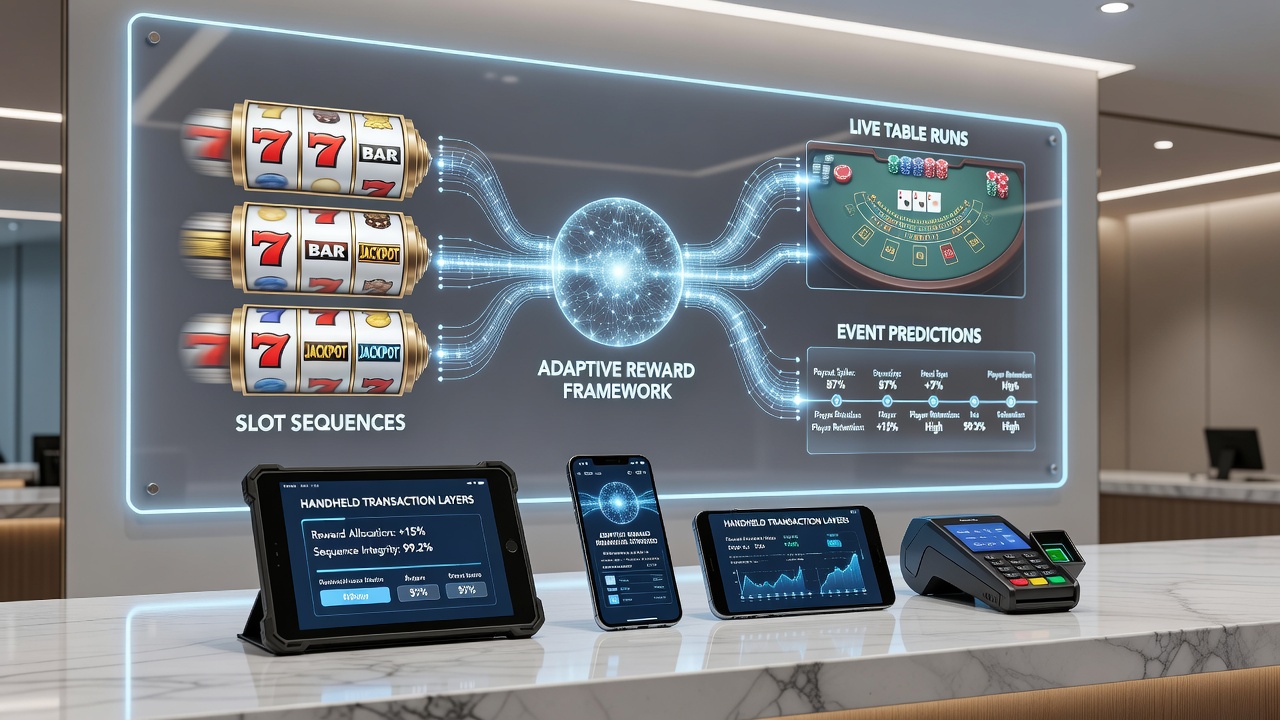
Mobile Transaction Layers Powering Adaptive Rewards from Slot Sequences to Live Table Predictions
Adaptive reward frameworks operate by tracking sequences of slot spins on handheld devices and converting those patterns into credits or bonuses that apply directly to live dealer tables along with predictive event modules, and operators deploy these systems through layered transaction protocols that update balances in real time across platforms.
Core Mechanics of Sequence Channeling
Developers design the core mechanics around data capture from slot sessions where each spin contributes to a running profile that algorithms then map onto live table opportunities, and players see immediate options to transfer accumulated value into roulette or blackjack rounds via the same mobile interface that handles the initial deposits.
Event predictions integrate into this flow when the framework analyzes historical and current data streams to generate forecasts for sports outcomes or table results, while handheld layers process the micro-transactions that keep everything synchronized without requiring separate logins or wallet switches.
Implementation Patterns Observed in 2026
By August 2026 several international operators had rolled out versions of these frameworks in markets outside the UK, and reports from the Nevada Gaming Control Board documented increased cross-product engagement after similar mobile reward integrations launched earlier that year. One study from the University of Nevada, Las Vegas tracked how sequence-based channeling lifted average session lengths by connecting slot activity to live events through instant transaction confirmations.

Transaction layers rely on secure API connections that authenticate each transfer in under two seconds, and this speed allows predictions to refresh continuously as new slot data enters the system, creating a loop where live table runs receive bonuses derived directly from prior spins without manual intervention.
Cross-Platform Data Flows and Security Measures
Security protocols within these frameworks encrypt sequence data at the point of capture on the device and maintain that protection through every layer until the reward reaches the live table interface, while regulatory bodies in multiple jurisdictions require audit trails that log each channeling event for compliance verification.
Industry groups such as the European Gaming and Betting Association have published guidelines on maintaining player choice when frameworks suggest transfers between products, and operators follow those recommendations by presenting clear opt-in prompts at every stage of the sequence-to-table conversion process.
Examples from Operating Markets
Take one North American platform that introduced handheld transaction layers in early 2026, where players completing a set number of slot sequences received automatic eligibility for enhanced odds on live dealer predictions, and the system handled the entire reward allocation through the existing mobile payment rails already used for deposits and withdrawals.
Similar patterns appeared in Australian-regulated environments where data from the Australian Communications and Media Authority indicated steady growth in multi-product sessions once adaptive frameworks linked slot activity to live events without additional fees or delays.
Conclusion
These frameworks continue to evolve as transaction technology advances, and the integration of slot sequences with live table runs through predictive mobile layers remains a central focus for operators seeking to maintain seamless player journeys across different game types. Data from regulatory and academic sources shows measurable shifts in engagement metrics when such systems operate under established compliance standards.