Mapping the Migration of Payment Gateways: Converting Sports Credits into Mobile Live Dealer and Slot Play
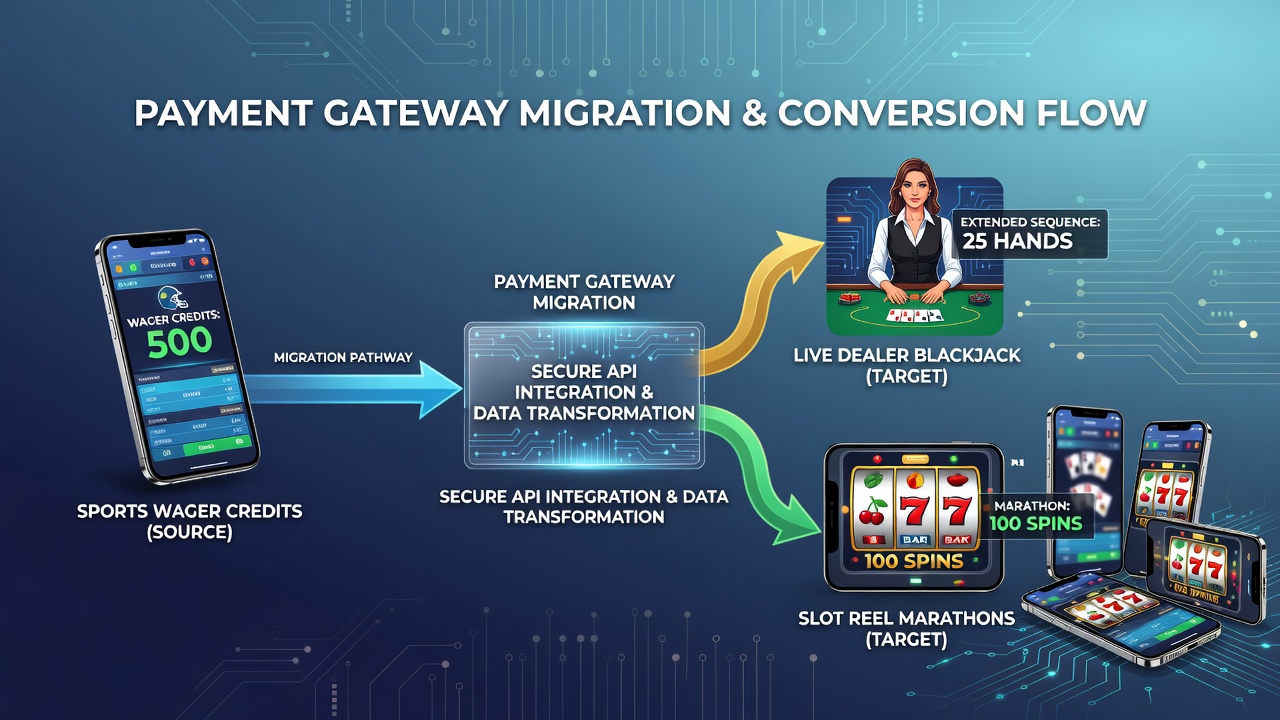
Payment gateway migrations have accelerated in recent years as operators seek to unify sports betting balances with casino verticals on handheld platforms, and data from multiple regions shows these shifts enable direct transfers that extend play sessions across live dealer blackjack sequences and slot reel marathons without separate funding steps.
Core Drivers Behind Gateway Transitions
Operators have moved away from siloed processors toward integrated systems that handle instant credit conversions between sports wager accounts and casino wallets, while compliance teams track these flows to meet standards set by bodies such as the Nevada Gaming Control Board. Research indicates that seamless API connections now allow users to redirect unused sports credits into live dealer tables or spinning reels on the same mobile interface, reducing friction during peak evening hours.
Technical upgrades focus on real-time reconciliation protocols that update balances across verticals in under three seconds, and industry reports highlight how these changes support extended sequences where players transition from a completed sports event directly into blackjack hands or slot spins on the same device screen.
Mechanics of Credit Conversion on Handheld Devices
Modern gateways employ token-based wallets that preserve the original wager value while applying it to casino games, and this process relies on encrypted channels that maintain separation between sports and gaming ledgers until the user initiates a transfer. Observers note that mobile apps now embed these options in the main navigation, allowing one-tap migrations that feed live dealer blackjack sessions or prolonged slot reel runs without exiting the application.
June 2026 marks several scheduled platform updates where additional gateways will incorporate multi-vertical support, and figures from payment processors reveal rising adoption rates among operators who prioritize handheld compatibility for cross-product play.
Integration Patterns Across Live Tables and Reels
Systems that link sports credits to casino play often route funds through intermediary ledgers that comply with regional payment rules, whereas older setups required manual withdrawals and redeposits that interrupted session flow. Experts have observed that current migrations prioritize low-latency mobile optimization, enabling users to maintain momentum from a sports payout straight into extended dealer sequences or reel marathons on tablets and phones alike.
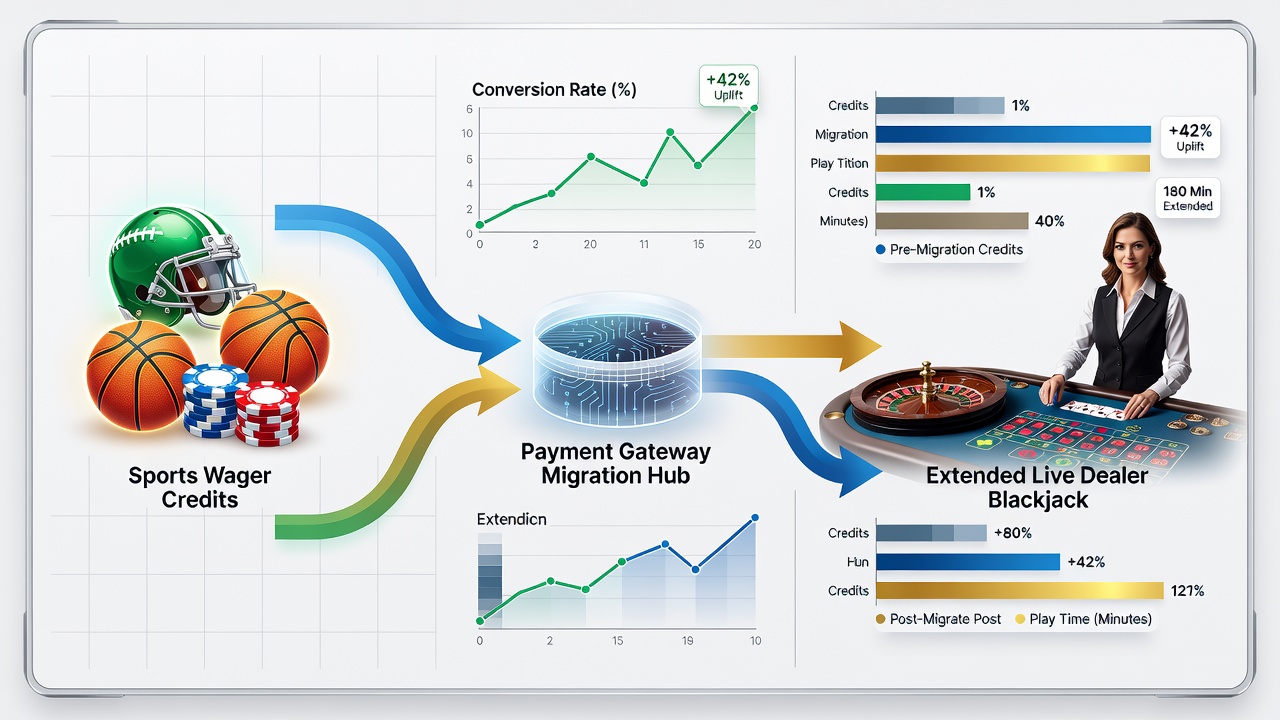
Payment providers have documented cases where gateway changes cut average transfer times by more than half, and these efficiencies translate into longer continuous play periods across both table and reel formats on handheld screens. Data from the Nevada Gaming Control Board shows corresponding growth in combined vertical usage following such upgrades.
Security and Compliance Layers in Migration Projects
Each gateway transition incorporates enhanced verification steps that confirm user identity before credits move between products, and these layers align with international standards rather than relying solely on single-jurisdiction rules. Those who've studied the process know that audit trails now capture every conversion event, supporting transparent reporting for regulators outside the UK framework.
Additional safeguards include velocity checks that flag unusual transfer patterns, while mobile encryption protocols protect the data path from sports accounts to live dealer or slot environments. Research from the Australian Gambling Research Centre indicates that platforms completing these migrations report fewer disputes related to balance visibility on handheld devices.
Future Milestones and Platform Adjustments
Scheduled gateway rollouts through mid-2026 will introduce further support for instant cross-vertical credits, and operators continue testing interfaces that display unified balances without requiring separate logins. Patterns emerging from current deployments suggest that handheld users benefit most when transfers occur within the same app session, extending both blackjack sequences and slot marathons without interruption.
Conclusion
Payment gateway migrations continue to reshape how sports wager credits feed into mobile live dealer and slot experiences, with technical and compliance frameworks evolving to support faster, more secure transfers. Observers tracking these developments note sustained growth in combined usage metrics across regions, as platforms refine the pathways that keep play flowing from one vertical to another on handheld devices.