
Mapping the Interplay of Payment Innovations and Loyalty Tiers in Transitioning Between Virtual Reels and Live Dealer Sessions
Payment systems in online gaming environments have evolved to support fluid movement between virtual reel games and live dealer tables, with loyalty structures designed to recognize activity across both formats. Industry reports document how instant deposit methods and tiered reward programs align player progression from automated slot sessions to interactive dealer experiences.
Payment Mechanisms Enabling Cross-Format Play
Digital wallets and real-time bank transfers now process deposits in under ten seconds according to transaction data compiled by multiple platform operators. These tools allow players to shift capital from virtual reels, where spins occur at fixed intervals, into live dealer sessions that require continuous balance availability. Studies from the International Gaming Institute at the University of Nevada Las Vegas have tracked how same-session funding reduces downtime during format switches.
Operators integrate these payment layers directly into game interfaces so balances update without page reloads. Data collected through June 2026 shows a measurable rise in session continuity when players move between formats using linked e-wallet accounts rather than repeated card entries. The American Gaming Association has published aggregate figures indicating that platforms offering sub-minute transfers record higher rates of format switching within single login periods.
Loyalty Tiers Structured Around Format Transitions
Reward programs assign points based on wager volume while applying multipliers when activity crosses from virtual reels into live dealer environments. Tier advancement algorithms factor in both the frequency of these shifts and the cumulative value transferred through payment channels. Observers note that mid-tier players often reach higher status faster when they maintain consistent movement between the two formats rather than concentrating wagers in one area.
Case documentation from several major operators reveals that players completing at least three format transitions per week receive accelerated point accrual. These structures operate through backend systems that log each payment event alongside game-type metadata, allowing automatic tier adjustments without manual claims. Research summaries released in early 2026 confirm that such integrated tracking correlates with longer overall account activity spans.
Technical Integration of Wallets and Reward Tracking
API connections between payment processors and loyalty databases enable real-time point allocation as funds move across game categories. When a player deposits via mobile wallet during a live dealer blackjack round after exiting a virtual reel session, the system registers both the transaction and the format change. This linkage supports tier progression metrics that account for behavioral patterns rather than isolated game performance.
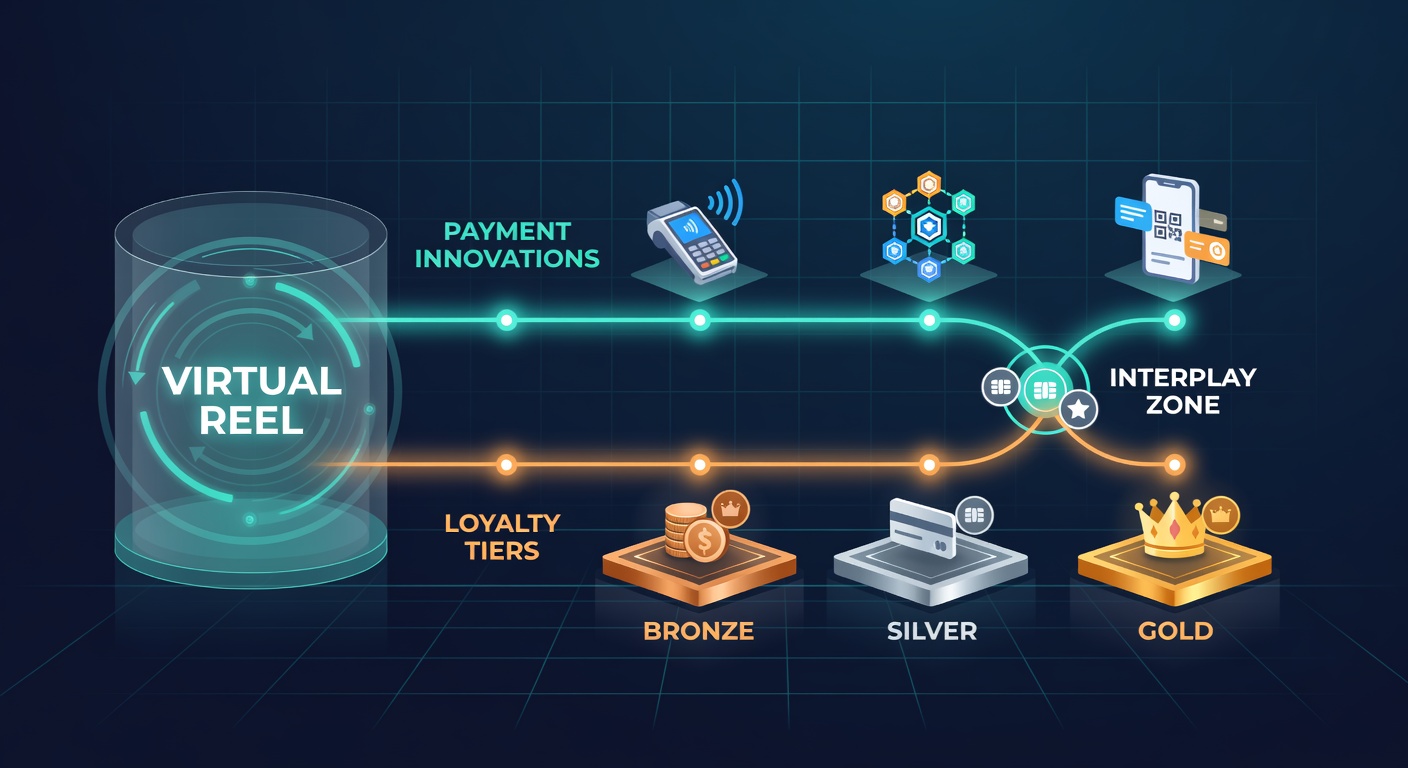
Platform developers have introduced unified dashboards that display both available balance and current tier status alongside transition history. These displays update automatically after each payment confirmation, providing players with immediate visibility into how recent activity affects reward standing. Figures released by Canadian regulatory bodies indicate growing adoption of such unified interfaces across licensed operators.
Operational Examples Across Jurisdictions
One European operator implemented a points system in 2025 that doubles accrual rates for any wager placed within five minutes of a format switch funded by instant transfer. Internal metrics showed increased cross-format engagement within the first quarter of rollout. Similar models appear in North American markets where state-level licensing requires transparent tracking of player funds across game types.
Australian research groups have examined how loyalty structures interact with mandatory responsible gambling tools, noting that payment-linked tier systems must incorporate session limit prompts during transitions. These requirements ensure reward progression does not override player-set boundaries on spending or play duration. Data sets from these studies provide comparative benchmarks for operators refining their own integration methods.
Future Adjustments in Tracking and Compliance
Regulatory updates scheduled for implementation after June 2026 are expected to standardize reporting requirements for loyalty points earned through multi-format play. Payment processors already prepare for enhanced audit trails that link each transaction to both game category and tier impact. Industry associations anticipate these changes will produce clearer datasets on how reward structures influence format-switching behavior.
Conclusion
Payment innovations and loyalty tier mechanics continue to converge around the specific pattern of movement between virtual reels and live dealer sessions. Transaction speed, point multipliers, and unified tracking systems form the core components operators use to manage this interplay. Available data through mid-2026 illustrates measurable effects on session length and tier advancement rates when these elements operate in coordination.