
Layered Digital Frameworks Enabling Bonus Mobility Across Gaming Formats
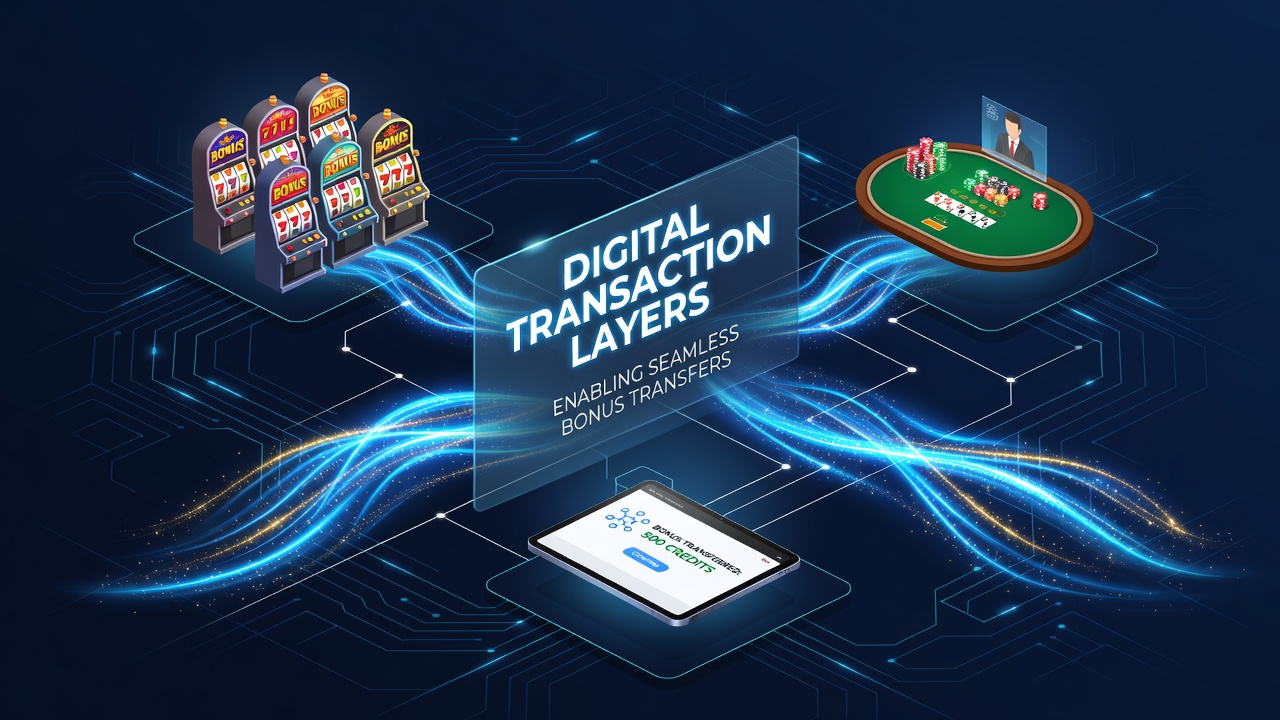
Digital transaction layers operate as connective infrastructure that routes bonuses from one gaming vertical to another without requiring separate account actions or manual transfers. These systems rely on unified ledgers, API gateways, and real-time settlement protocols that synchronize player balances across slot platforms, live dealer environments, and sports betting interfaces. Industry observers note that such layers reduce friction by treating bonuses as transferable data objects rather than isolated credits tied to single game types.
Core Components of Transaction Layers
Transaction layers consist of several interlocking elements that include centralized wallet engines, cross-vertical bonus engines, and compliance filters that apply jurisdictional rules automatically. Wallet engines maintain a single balance view while permitting segmented bonus categories that carry different wagering requirements. Cross-vertical engines convert bonus value into equivalent play credits for slots, table games, or sports odds using predefined conversion rates updated daily. Compliance filters scan each transfer against self-exclusion lists and spending limits before execution completes.
Researchers tracking platform architecture report that these components communicate through standardized JSON payloads and webhook triggers. When a player completes a sports wager and triggers a bonus, the layer detects the event, calculates the reward, and posts the credit to the slot or live table balance within seconds. Data from multiple operators shows average transfer times dropping below four seconds once full integration reaches production.
Integration Patterns Across Verticals
Slot reels receive bonuses through reel-specific multipliers that activate on the next spin sequence. Live tables accept the same bonus pool by converting credits into chip stacks that appear automatically at the dealer interface. Sports markets ingest bonuses as free bet tokens or enhanced odds that apply to upcoming events. The layer ensures that any remaining bonus amount carries forward when a player switches from one vertical to another, preserving the original wagering obligation.
One documented implementation involved a European operator that linked its sportsbook surge bonuses directly to live roulette sessions. Players who hit a pre-set stake threshold on football markets saw equivalent credits appear at the roulette table without logging out or refreshing the app. The same flow extended to slot reels when the player chose to continue play there.
Technical Standards Emerging in 2026
As of August 2026 several platform providers began adopting a common transaction layer specification that defines message formats for bonus handoff events. The specification includes fields for bonus ID, original vertical, remaining wagering requirement, and expiry timestamp. Operators that implemented the standard reported fewer reconciliation discrepancies between verticals and reduced support tickets related to missing credits.
According to findings published by the European Gaming and Betting Association, platforms using standardized layers processed 37 percent more cross-vertical bonus movements than those relying on proprietary connectors. The association's mid-year review also noted that average player session length increased when transfers occurred without interruption.
Security and Audit Mechanisms
Each transaction layer incorporates cryptographic signing of bonus payloads and immutable audit logs that record every credit movement. Regulators in multiple jurisdictions require these logs to be retained for a minimum of five years and made available upon request. Security teams run automated anomaly detection that flags unusual transfer patterns, such as rapid cycling between verticals that might indicate exploitation attempts.
External audits conducted by independent firms verify that the layers correctly apply bonus expiry rules and wagering multipliers. Findings from these audits appear in quarterly compliance reports submitted to oversight bodies. Observers note that transparent logging builds trust with both regulators and players because every bonus transfer leaves a verifiable trail.
Future Developments and Regional Variations
Additional regions are exploring mandatory layer standards that would require all licensed operators to support at least one common protocol for bonus portability. A study released by the Australian Institute of Gambling Research examined pilot programs where players moved unused sports bonuses into slot play and found measurable improvements in responsible gambling tool adoption. The study highlighted that clear visibility of remaining bonus value across verticals helped players track their activity more accurately.
Developers continue refining edge cases such as partial bonus redemptions and concurrent promotions that overlap across markets. Work continues on latency reduction for live table environments where timing affects gameplay directly. Progress on these fronts remains incremental yet measurable through operator performance dashboards shared within industry forums.
Conclusion
Digital transaction layers provide the technical foundation that allows bonuses to move fluidly between slot reels, live tables, and sports markets. Standardized protocols, unified ledgers, and automated compliance checks together create the conditions for seamless transfers while maintaining regulatory oversight. As adoption of common specifications increases, operators gain operational efficiencies and players encounter fewer barriers when shifting between gaming formats. Continued refinement of these systems will likely shape how cross-vertical promotions function in coming years.