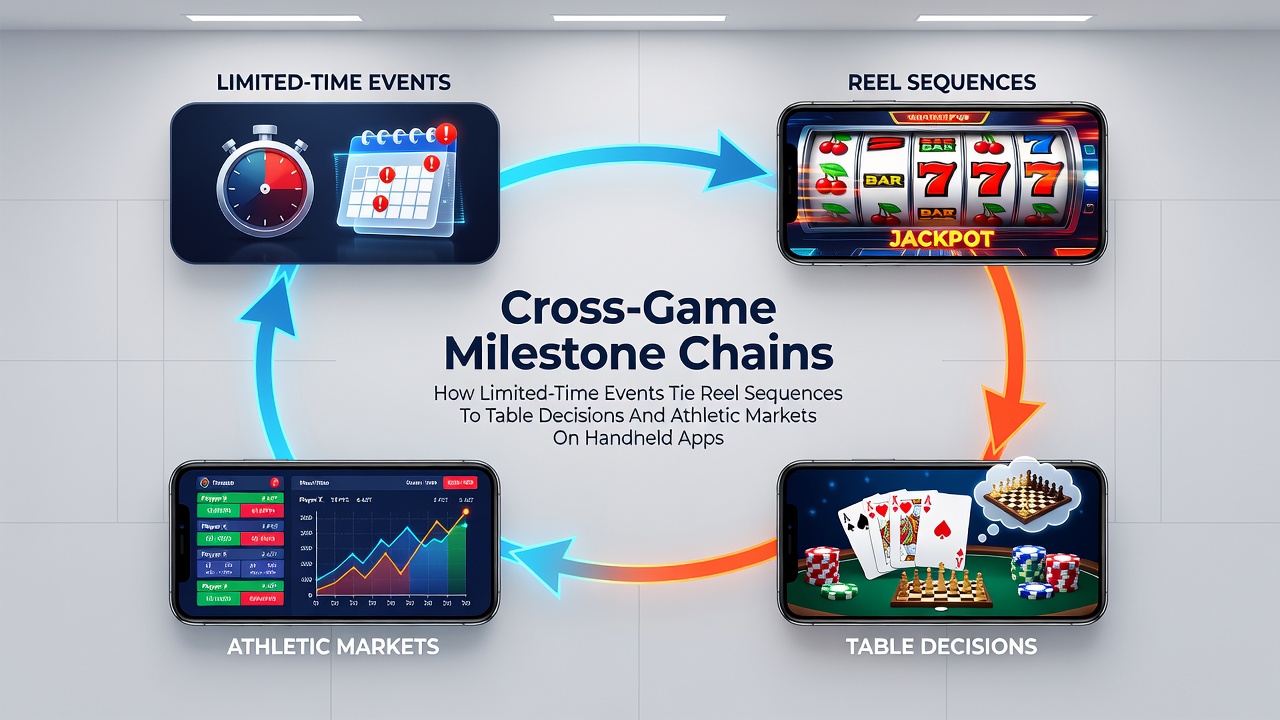
Event Chains on Handheld Platforms: Linking Slot Reels to Live Tables and Sports Markets via Temporary Milestones
Operators design limited-time events on handheld apps to create milestone chains that progress across slot reels, table decisions, and athletic markets, with each completed stage unlocking rewards that carry forward into the next category. These systems track sequences such as consecutive reel spins meeting specific symbol thresholds, which then feed into table game choices like bet sizing or hand selection, before transferring value to sports wagers on upcoming matches. Data from mobile platforms shows that such chains typically run for periods between 48 and 72 hours, during which player activity across the three verticals increases as milestones accumulate toward shared targets.
Mechanics of Cross-Category Progression
Developers program the chains so that reel sequences in slot games generate points based on spin outcomes, including matched symbols or bonus triggers, and these points apply directly to table decisions where users select from live dealer options such as blackjack hit or stand choices. Once table milestones reach defined levels, the system releases credits or multipliers that activate in athletic markets, allowing wagers on events like football matches or tennis sets. Observers note that this structure encourages users to shift between game types within the same session, since partial progress in one area reduces the effort needed in others. Research indicates that apps employing these mechanics report higher session durations compared to standalone promotions, with figures revealing average increases of 25 to 40 percent in total bets placed across categories during active chains.
Integration with Time Constraints
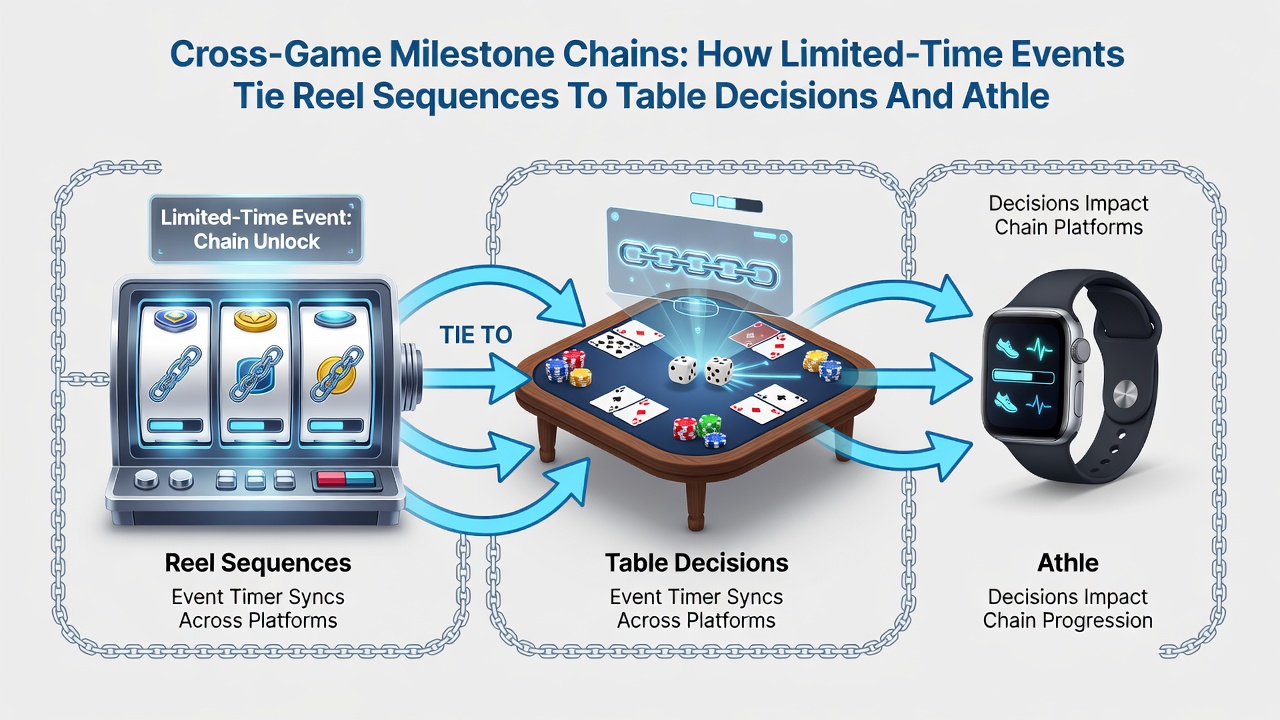
Limited-time events impose countdown timers that reset progress if users fail to advance stages before expiration, which forces decisions about when to switch from reels to tables or sports markets. In August 2026 several major platforms rolled out chains that synchronized with international sports calendars, tying reel bonuses earned on Tuesday evenings to table play windows on Wednesday mornings and culminating in sports bet windows tied to weekend fixtures. This scheduling allows operators to align mobile activity peaks with external events, while users navigate the sequence through in-app notifications that update milestone status in real time. Studies from industry research groups demonstrate that such timed linkages reduce drop-off rates between game types, as participants who complete early reel stages receive incentives that carry measurable value into later table and sports phases.
Take one case where experts tracked a chain that began with five qualifying slot spins unlocking a table multiplier, which then applied to a required number of roulette decisions before releasing enhanced odds on basketball point spreads. The flow connects independent game mechanics through a shared progress bar visible on the handheld interface, eliminating the need for separate logins or manual transfers. Those who've studied these systems know that backend algorithms adjust milestone difficulty based on aggregate user data, raising thresholds when participation spikes to maintain balanced progression across all three areas.
Player Navigation and Platform Adjustments
Users interact with these chains through dashboard views that display current stage completion percentages alongside remaining time, allowing quick switches between reel sequences, table decisions, and athletic markets without losing accumulated progress. Platforms update rules mid-event when data shows uneven distribution, such as too many users stalling at table stages, by introducing temporary reel bonuses that feed additional points forward. According to reports from the American Gaming Association, cross-vertical event structures appear in over 60 percent of major mobile betting applications operating in regulated markets outside the UK, with participation metrics rising steadily through 2026. What's interesting is how the design keeps each vertical self-contained while still linking outcomes, so a user can focus on sports wagers alone if prior stages have already been met through other means.
Another pattern emerges when chains incorporate athletic market variables, such as requiring a sports bet on a specific league before table milestones count fully toward final rewards. This creates a loop where reel sequences provide the entry point, table decisions build volume, and sports markets serve as the payout trigger. Figures from academic studies on digital gambling behavior indicate that participants who engage with full chains place bets across an average of 2.7 categories per session, compared to 1.4 in non-chained promotions. Operators refine these linkages using A/B testing on handheld devices, measuring completion rates and adjusting reward sizes to sustain activity without extending event durations beyond the initial window.
Conclusion
Milestone chains on handheld apps function as structured pathways that tie reel sequences to table decisions and athletic markets through time-limited events, with progress tracked centrally and rewards distributed across categories. As platforms continue to refine these systems in 2026, the mechanics remain focused on measurable activity shifts rather than isolated game play. Data from sources including the American Gaming Association and university-led behavioral research continues to document how these temporary structures organize user movement between verticals while maintaining separate game rules within each stage.