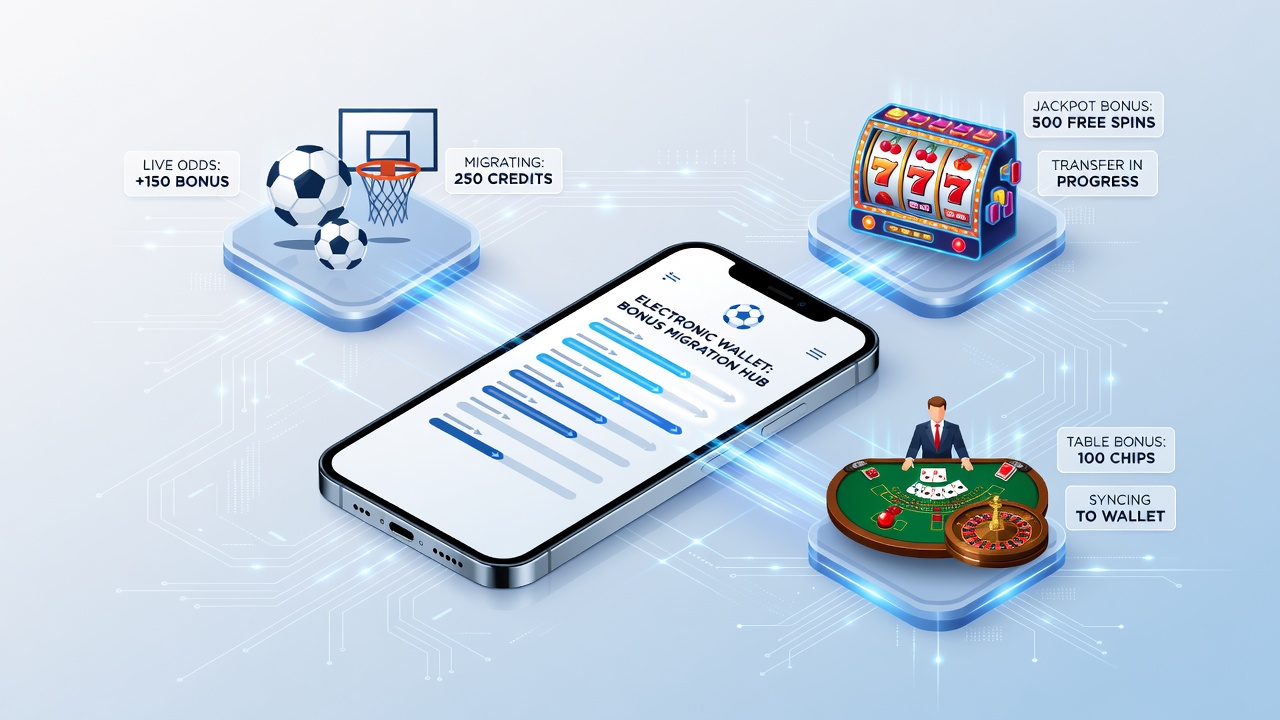
Digital Wallets Simplify Cross-Game Bonus Movement on Mobile Gambling Platforms
Electronic wallets have become central to how players move promotional credits and winnings between different betting formats on smartphones and tablets, and the process relies on integrated payment systems that connect sportsbooks, slot providers, and live dealer platforms within single mobile applications. Operators design these systems so that funds deposited via e-wallets can convert into bonuses that remain usable across categories without requiring separate accounts or manual transfers in most cases.
Core Mechanisms Behind Wallet-Enabled Transfers
Most mobile gambling apps link user e-wallet accounts directly to a unified balance that sports wagers, slot reels, and live tables draw from in real time, which means a bonus earned on a football accumulator can fund a subsequent slot session or live blackjack hand once the system processes the migration. The technology uses API connections that update balances instantly, so players see converted amounts appear in the target game category within seconds rather than after lengthy verification steps.
Research from industry reports indicates that transaction speeds for these migrations average under ten seconds on major platforms when users employ services such as Skrill or Neteller, because the wallets maintain pre-verified profiles that skip additional checks during in-app switches. Data from the Australian Gambling Research Centre shows that platforms using these wallets report higher rates of cross-category play compared with traditional bank transfer methods, which often impose delays of several hours.
Practical Examples of Bonus Migration in Action
Consider a scenario where a user places a sports wager through a mobile app and triggers a deposit match bonus; the wallet records the credit as a multi-game voucher that the player can allocate to slot machines or live roulette tables by selecting the desired section in the app menu. The system automatically adjusts the bonus terms to match the new game type, converting sports-specific rollover requirements into slot or table game equivalents without forcing the user to withdraw and redeposit funds.
Another common flow involves live casino winnings moving back into sports betting markets. After a streak at digital blackjack or baccarat tables, players select the sportsbook tab, and the e-wallet processes the balance shift so that the funds appear ready for upcoming matches, all while preserving any attached promotional multipliers that the operator has programmed into the wallet interface.
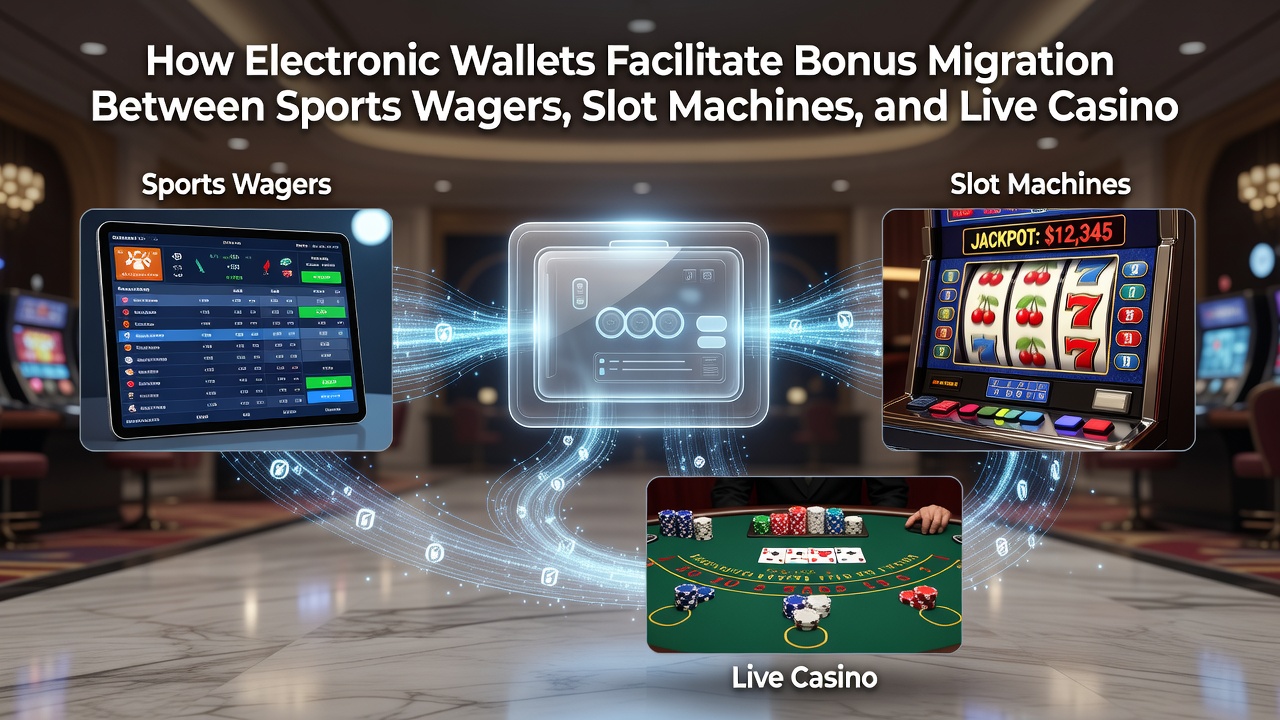
Technical and Security Features Supporting Mobile Use
Encryption protocols built into modern e-wallets protect the data exchanged during these migrations, and operators must meet standards set by bodies such as the Nevada Gaming Control Board to maintain licensing for cross-platform operations. Tokenization replaces sensitive card details with unique identifiers, which reduces exposure when users switch rapidly between sports, slots, and live dealer environments on the same device.
July 2026 updates to several mobile platforms introduced enhanced wallet APIs that allow one-tap allocation of bonuses across all three categories, and figures from the European Gaming and Betting Association reveal that adoption of these updated systems increased active user sessions by measurable margins in regions where such features launched. The improvements stem from better synchronization between game servers and wallet providers, which minimizes the chance of bonus expiration during transfers.
Regulatory Context Across Different Jurisdictions
Authorities in multiple regions require operators to log every bonus migration that occurs through electronic wallets, ensuring that promotional terms remain transparent and that players receive clear notifications when credits move between sports wagers, slot machines, and live tables. These logs help regulators track compliance without restricting the underlying convenience that wallets provide for mobile users.
Operators also implement spending limits tied to the wallet itself, so players can set daily or weekly caps that apply uniformly across game types rather than managing separate controls for each section of the app. This unified approach aligns with broader responsible gaming frameworks adopted in places such as parts of Canada and Australia, where wallet providers must integrate with operator dashboards to enforce those limits automatically.
Conclusion
Electronic wallets continue to serve as the primary conduit for moving bonuses between sports betting, slot play, and live casino tables on mobile devices through seamless API connections and verified user profiles. The systems handle conversions of promotional terms, maintain security standards required by licensing bodies, and support instant updates that keep balances consistent across categories. As platforms refine these integrations, the underlying data flows and regulatory reporting requirements remain consistent elements that shape how such migrations occur in practice.