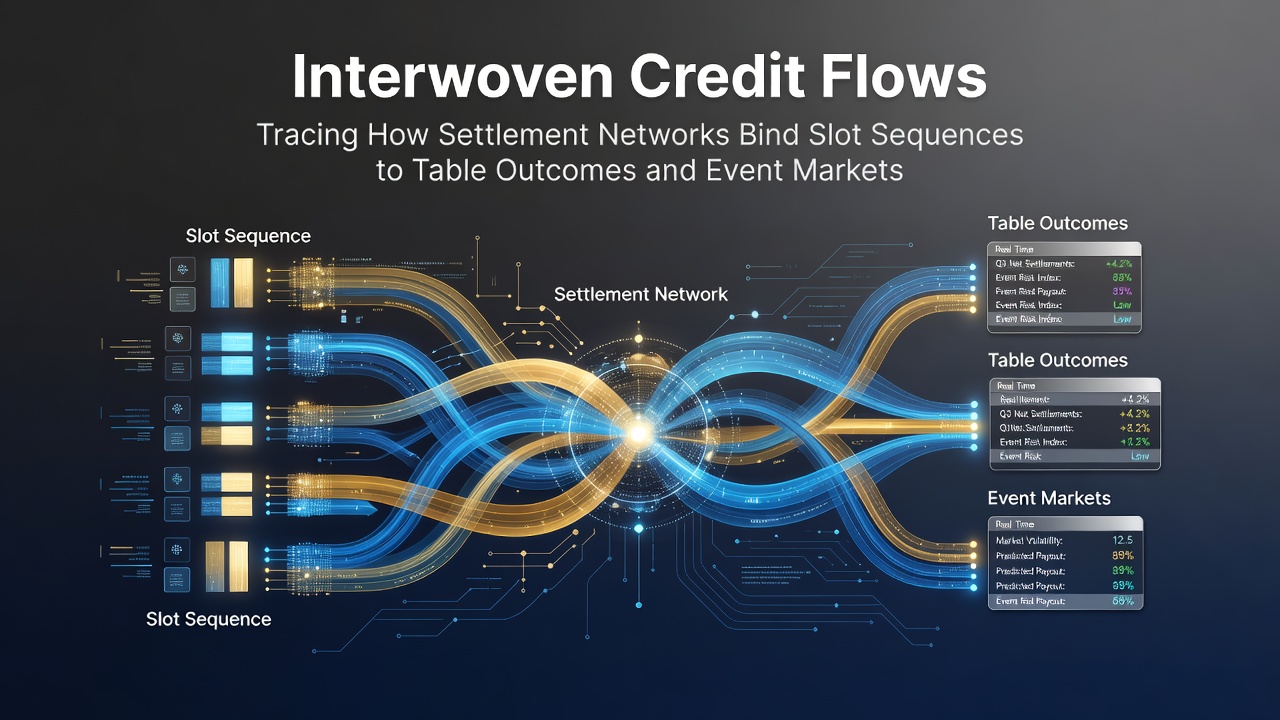
Credit Interconnections: Mapping Settlement Networks That Tie Slot Sequences, Table Games, and Event Markets
Settlement networks in gambling platforms move funds between different game types through shared credit systems that link slot sequences directly to table outcomes and event market results. These networks process deposits, withdrawals, and bonus allocations across verticals, creating pathways where winnings from one category can fund play in another without separate account transfers. Data from industry platforms indicate that such interconnections have grown as operators adopt unified wallet solutions that handle real-time settlements for slots, live dealer tables, and sports wagers.
Mechanics of Settlement Networks in Multi-Vertical Gambling
Operators use settlement networks to reconcile player balances across game categories by routing credits through central ledgers that update after each spin, hand, or bet settles. When a slot sequence completes, the network records the outcome and makes funds available for immediate use at table games or in event markets, reducing friction that once required manual transfers. Research from the American Gaming Association shows that integrated settlement systems now support cross-vertical play on over 70 percent of major platforms, with transaction times averaging under three seconds for most credit movements.
Payment processors embed rules that automatically allocate portions of winnings from slots into table game credits when players switch verticals, while event market settlements feed back into slot balances during promotional windows. This binding occurs because the networks treat all game types as nodes in a single credit graph rather than isolated silos. Observers note that the structure allows operators to track player activity holistically, though regulatory reporting still requires separate category breakdowns in most jurisdictions.
Binding Slot Sequences to Table Outcomes Through Credit Pathways
Slot sequences generate credits that settlement networks route to table games when players move between machines and live dealer interfaces. The networks record each slot outcome as a credit event that updates the shared ledger, enabling the same funds to appear instantly at blackjack or roulette tables without additional deposits. Studies from the University of Nevada, Reno gaming research program have documented how these flows create measurable patterns where high slot activity correlates with increased table game volume on the same accounts within the same session.
Table outcomes, once settled, reverse the flow by returning credits to slot balances through the same network channels. This bidirectional binding relies on standardized APIs that payment providers maintain across game suppliers, ensuring that a win at a live dealer table can trigger a slot bonus round without player intervention. Figures from platform operators reveal that such seamless transfers now account for a growing share of total session value, particularly during periods when operators run cross-game promotions that reward combined play.
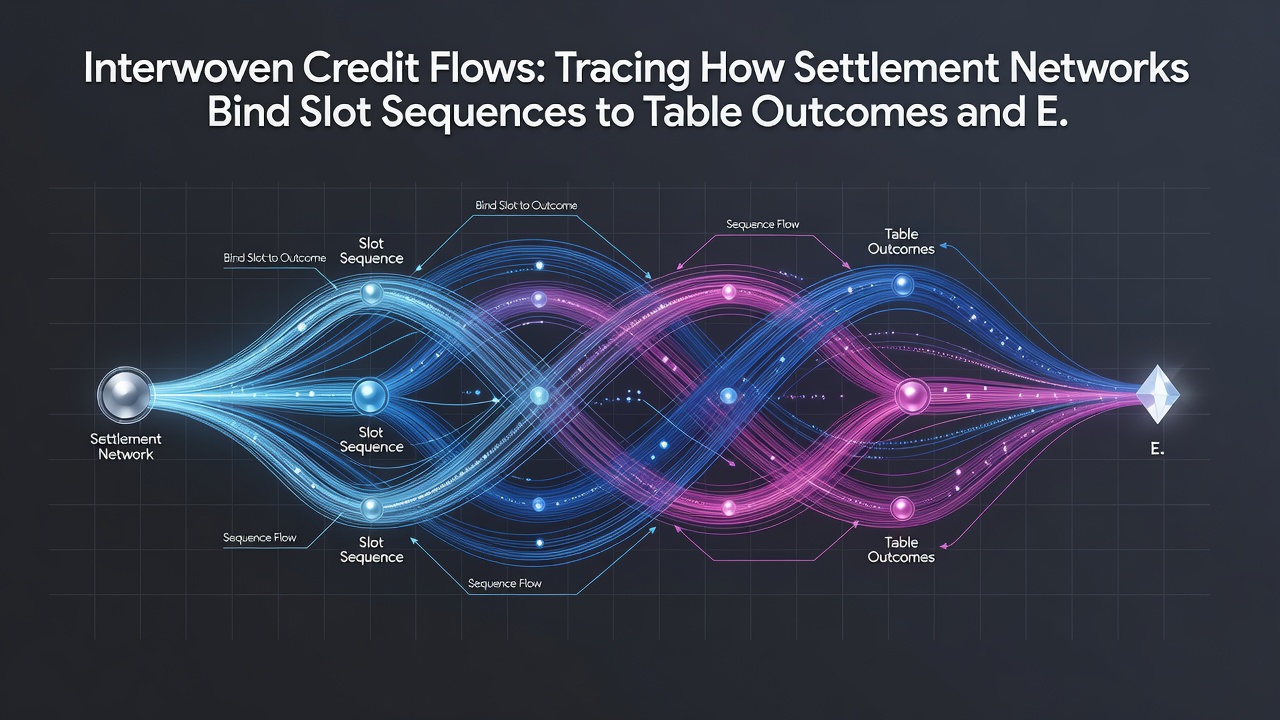
Integration With Event Markets and Broader Credit Flows
Event markets connect to the same settlement infrastructure, allowing credits earned from slots or tables to fund wagers on sports or other timed outcomes. The networks treat event market results as additional settlement events that feed back into the overall credit pool, creating loops where a successful sports bet can replenish slot or table balances in real time. According to reports from the Australian Gambling Research Centre, platforms that link all three categories through unified settlement see higher average player retention across verticals compared with those maintaining separate wallets.
August 2026 data releases from several North American operators highlighted increased volumes in event market settlements that originated from prior slot or table activity, underscoring how the networks bind these markets together. The flows depend on compliance with varying regional rules, yet the technical architecture remains consistent: each game outcome updates a central credit record that other verticals can access immediately.
Implications for Platform Design and Player Movement
Platform designers build settlement networks with modular components that accommodate new game types while preserving existing credit linkages between slots, tables, and event markets. This approach reduces development time for adding features because the core credit routing layer stays intact. Those who have examined operator infrastructure note that the networks also support regulatory audits by maintaining detailed logs of every credit movement across categories, allowing authorities to trace funds without requiring separate tracking systems for each vertical.
Players encounter these bindings when they switch from slot sequences to table play or event wagers and notice balances update without manual steps. The networks handle the underlying reconciliation, converting game-specific outcomes into usable credits across the platform. Evidence from multiple markets indicates that such systems have become standard as operators seek to streamline operations while meeting reporting obligations in different regions.
Conclusion
Settlement networks continue to bind slot sequences, table outcomes, and event markets through shared credit pathways that enable rapid movement of funds across game types. The architecture relies on central ledgers and standardized protocols that update balances in real time, supporting both operational efficiency and cross-vertical play patterns observed on modern platforms. As data from various regulatory and research bodies show, these interconnections form a core element of how contemporary gambling systems manage player credits across diverse offerings.